Why medical device sourcing loses cost influence early
When sourcing information and processes are scattered across teams and systems without a centralized procurement tool, companies lose the ability to influence cost before designs are finalized. Teams then spend valuable time reacting instead of shaping product cost and margin early.
Cost and supplier data is fragmented.
Engineers make the best decisions they can with the data they have, but miss opportunities to Design for Cost or leverage supplier capabilities.
Market data is slow and not reusable.
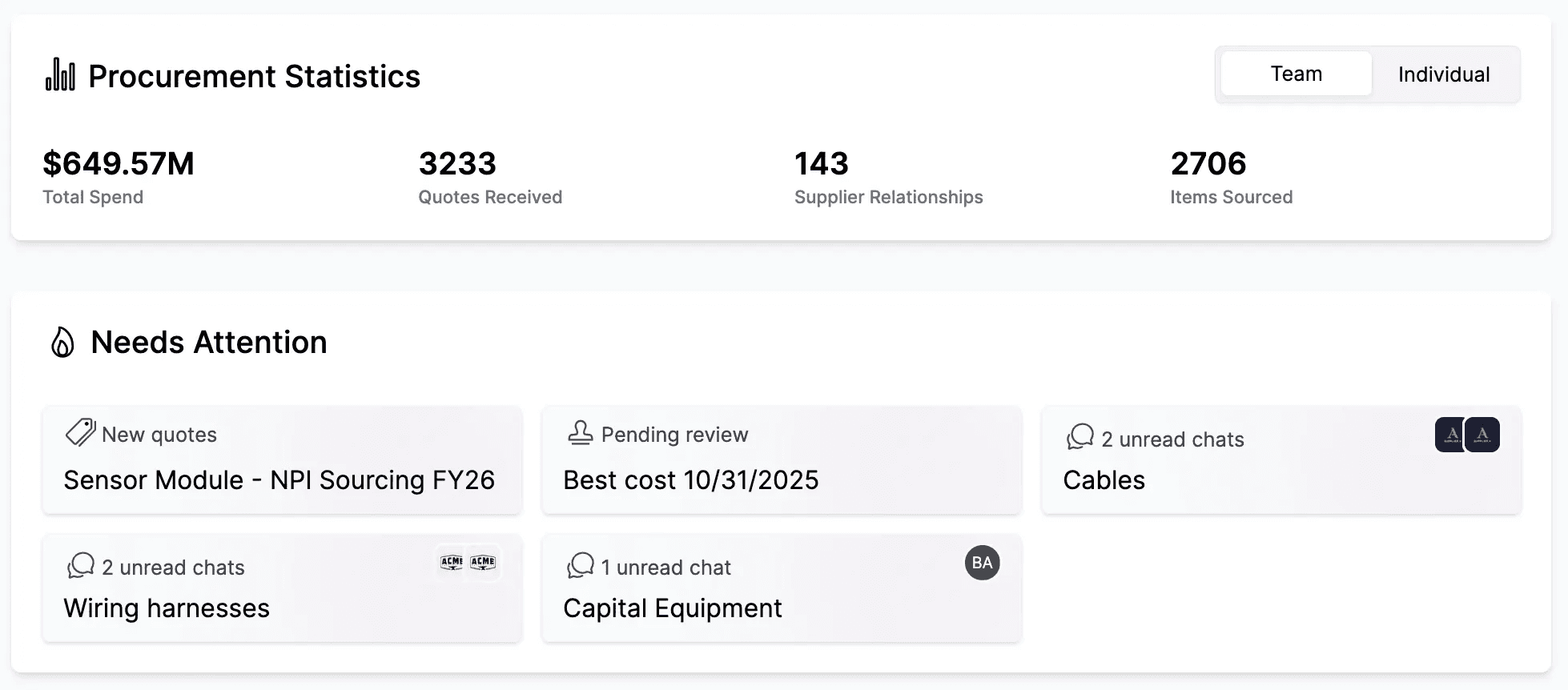
Supply market intelligence arrives too late to influence program decisions, forcing teams to repeat the same analyses and frustrating suppliers in the process.
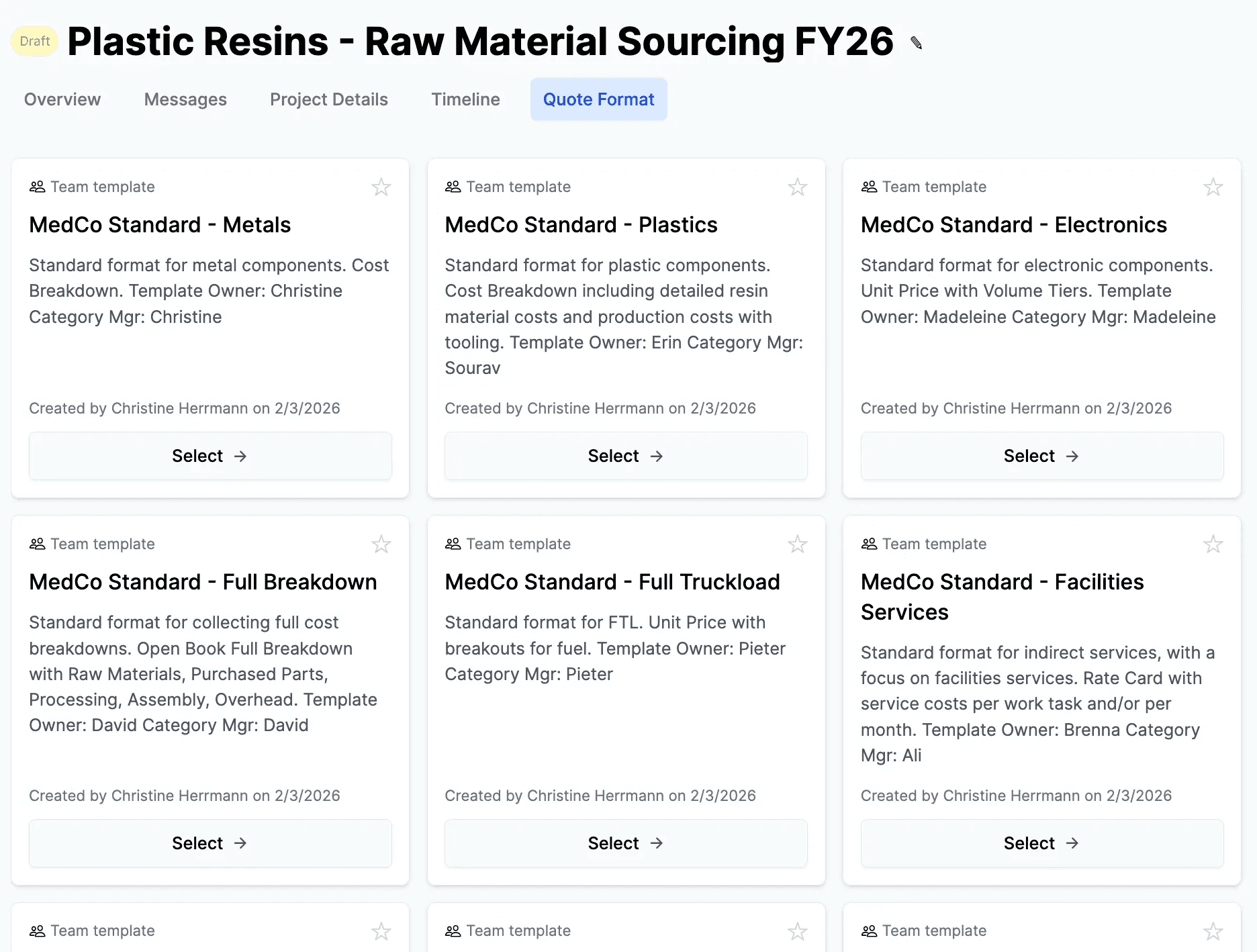
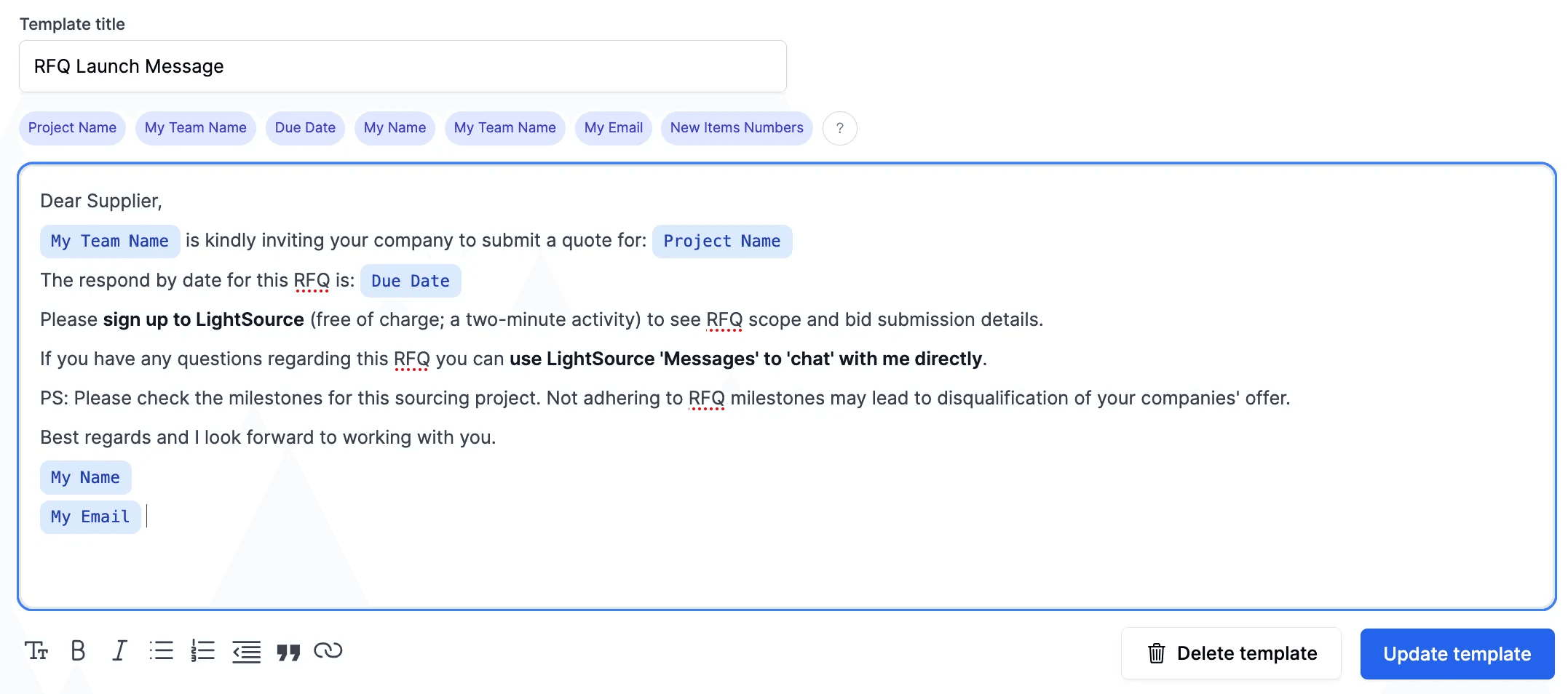
Limited sourcing process standardization and measurement.
Sourcing processes vary by region, team, and buyers, adding time and inconsistency while making throughput, cycle time, and performance difficult to measure.
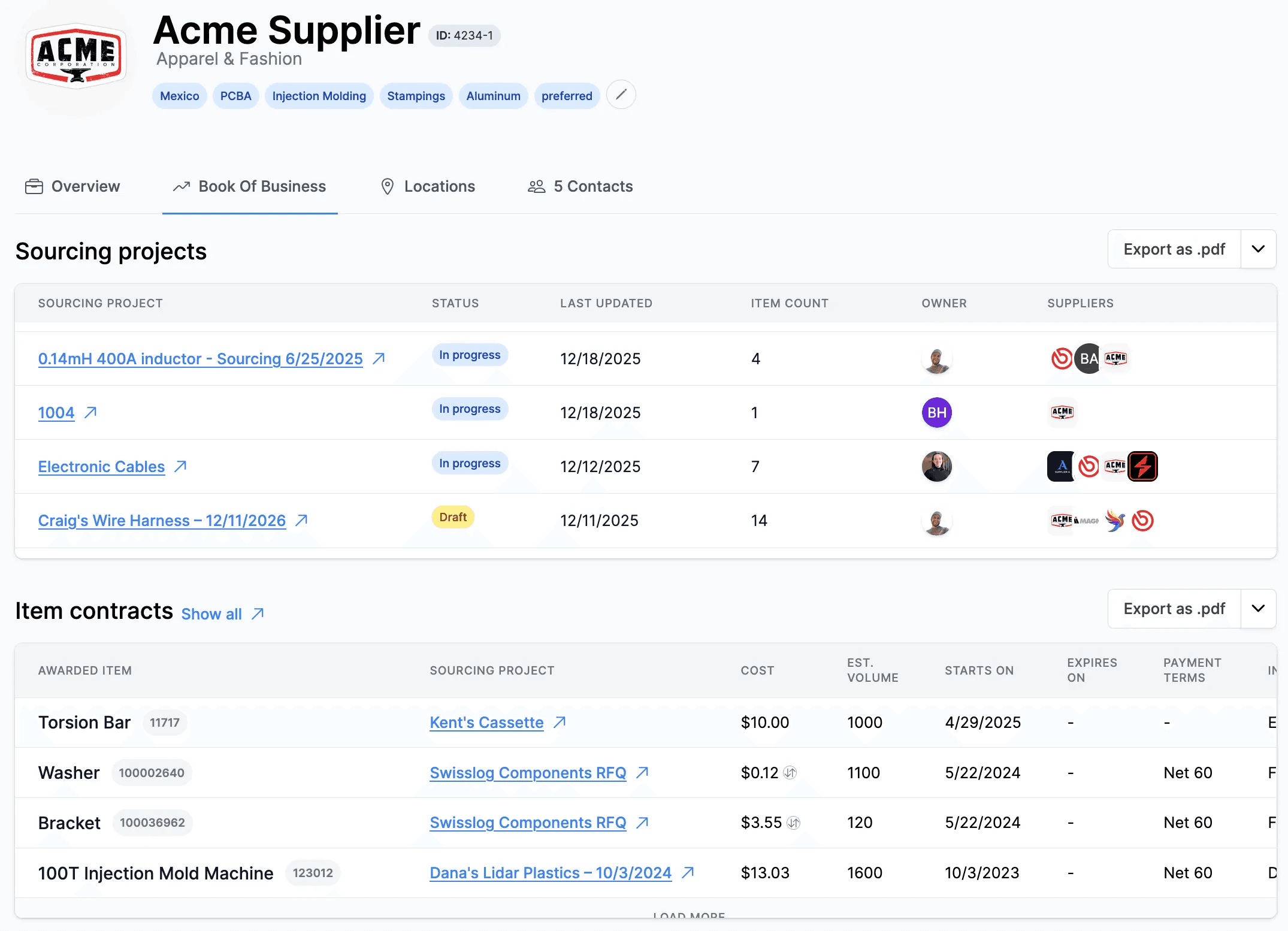
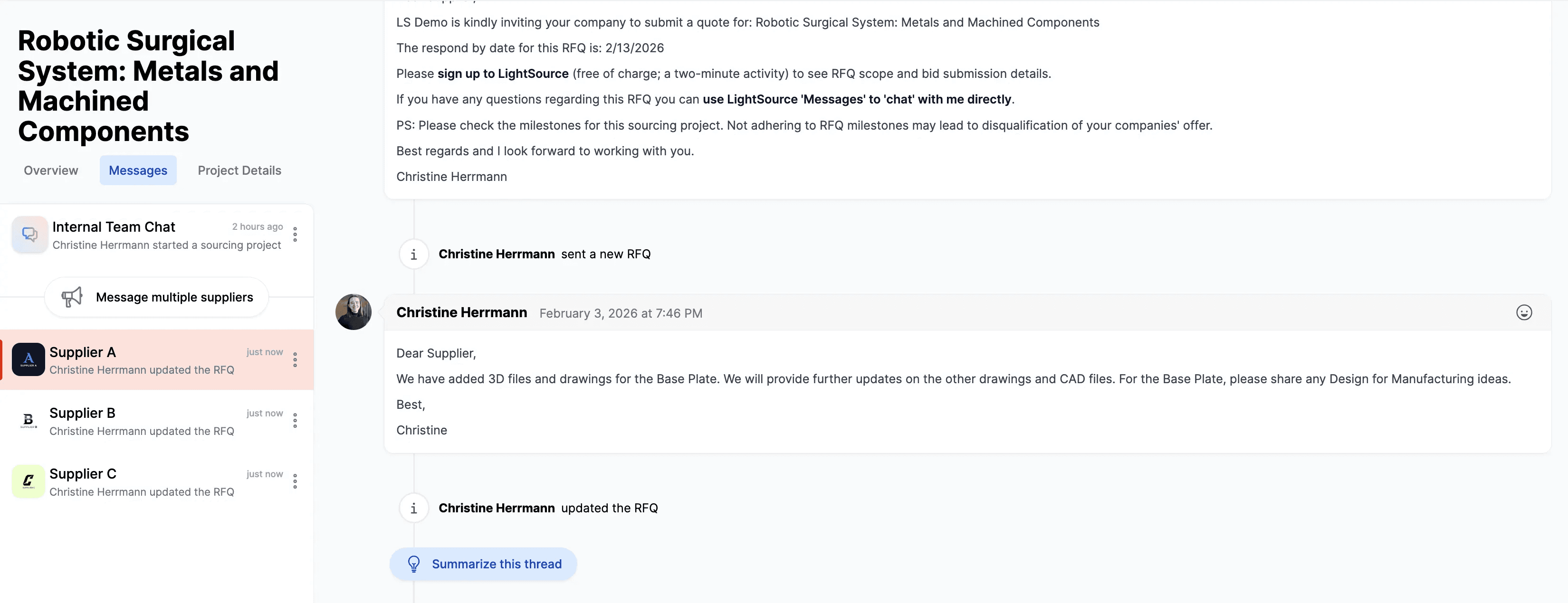
Challenges collaborating with Contract Manufacturers.
When production relies on external partners, cost visibility decreases and teams spend significant time manually reconciling and updating pricing.
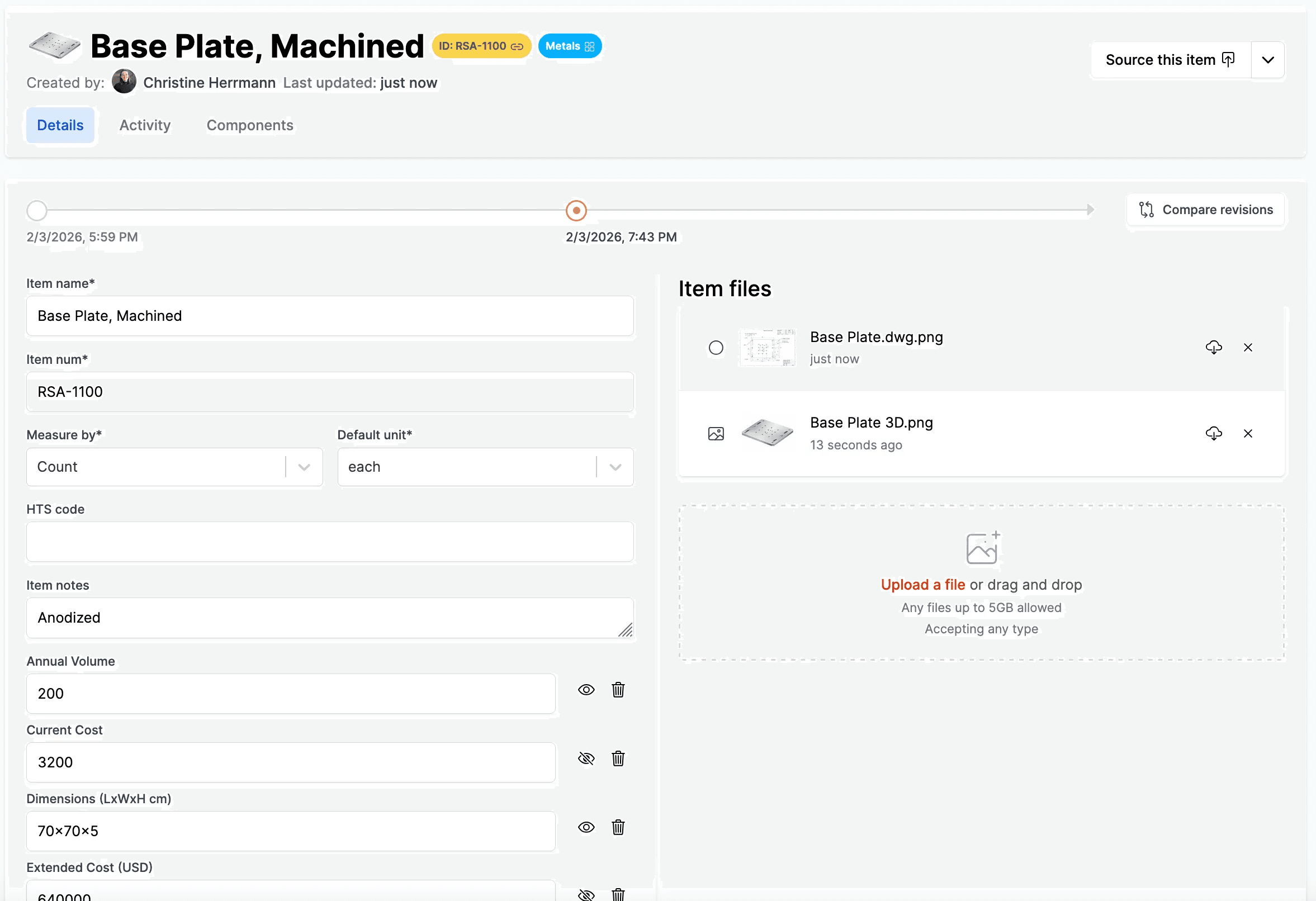
Data is siloed across ERP(s), CAD systems, PLM(s), quality systems.
Specs, drawings, models, and quality data live across ERP, CAD, PLM, and other systems, requiring manual coordination and increasing the risk of teams working from outdated designs.


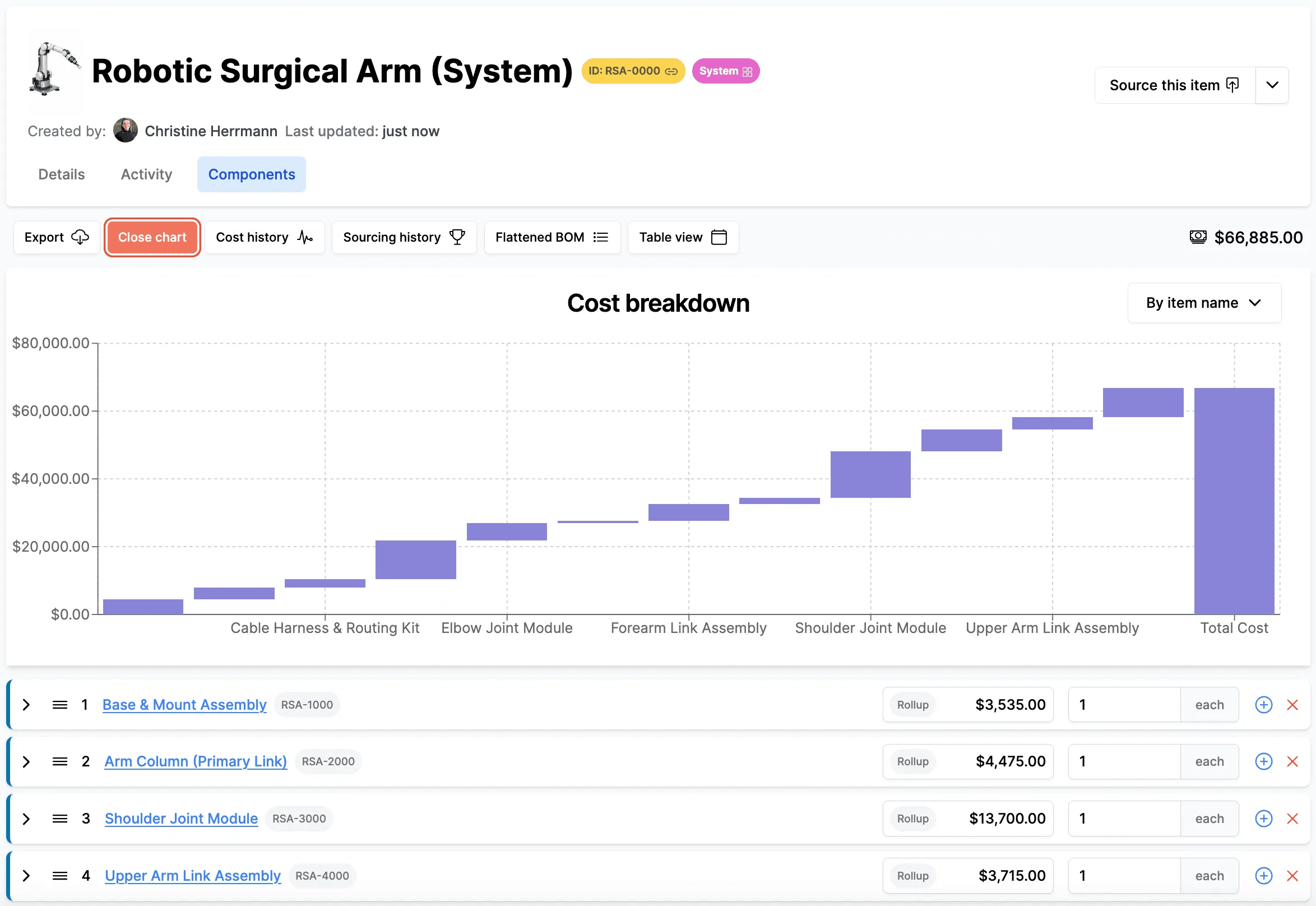
Own product cost from design through production
Establish full BOM visibility across structure, cost history, and suppliers in a single system. Enable early supplier collaboration and standardized sourcing so cost decisions shape designs instead of reacting to them.