Verified Sep 2026
Materials, Coatings & Adhesives
·
Riyadh, Saudi Arabia
·
Since 1976
SABIC (Saudi Basic Industries Corporation) is one of the world's largest diversified chemicals companies, headquartered in Riyadh, Saudi Arabia and founded in 1976. Publicly listed on Tadawul and 70% owned by Saudi Aramco, it supplies automotive engineering thermoplastics and polymers, including the LEXAN, NORYL, ULTEM, and STAMAX brands, for EV batteries, crash structures, interiors, lighting, and glazing.

SABIC at a glance
Revenue
SAR 116.5B
FY2025 · US$31B
Employees
~28,000
2024 · company-published
Founded
1976
Established by royal decree
Headquarters
Riyadh, Saudi Arabia
Al-Jubail and Yanbu operations
Ownership
Listed
Tadawul 2010 · Aramco 70%
Certifications
IATF 16949 · ISO 9001
Plant level · sector precondition
Import activity
12,600+
US import shipments on record
Industries
Automotive
Electric Vehicles
Electronics
Construction
Medical
Sourcing and import activity
From US customs bill-of-lading records, into SABIC's US manufacturing entities
US sea imports
12,646
Top origins
Mexico · Europe · Saudi Arabia · India
Most recent shipment
Sep 25, 2026

Shared foreign counterparties do not establish that these companies buy from SABIC.
What this tells a buyer
SABIC's largest US import entity, SABIC Innovative Plastics US in Mount Vernon, Indiana, is the former GE Plastics polycarbonate site acquired in 2007; it accounts for roughly 8,970 recorded US shipments, the profile of a domestic producer importing feedstock and intermediates rather than a reseller.
The 2024 balance sheet is the standout: a net cash position with net debt to EBITDA of -0.2 and an A+/A1 credit rating, which SABIC describes as among the highest standalone ratings in the chemical industry.
The 17% revenue decline from 2024 to 2025 is driven mainly by petrochemical price cyclicality and the divestitures of Hadeed, the Alba stake, and a films and sheets business, not by a collapse in demand; the company stayed profitable with adjusted net income of SAR 2.07 billion.
Source: SABIC investor materials, US customs bill-of-lading records, and public filings · Last verified Sep 28, 2026
STABILITY SIGNALS
Established & active
SAR 116.5B revenue (FY2025), 4% EBIT margin, with an A+/A1 credit rating and a net cash balance sheet.
Founded in 1976; a publicly listed national petrochemical champion, 70% owned by Saudi Aramco, operating about 60 plants across 43-plus countries.
Actively importing into its US automotive-plastics manufacturing as of September 2026.
What SABIC makes
SABIC is one of the world's largest diversified chemicals companies, and for automotive buyers it matters most as a materials supplier. The company organizes its output into four strategic business units: Polymers, Chemicals, Agri-Nutrients, and Specialties. It produced 53.9 million metric tons of product in 2024 and holds market-leading positions in ethylene, ethylene glycol, methanol, MTBE, polyethylene, polypropylene, polycarbonate, and engineering plastics.
The automotive-relevant portfolio runs through two of those units. From Polymers, the branded engineering thermoplastic and polyolefin lines include CYCOLAC (ABS), CYCOLOY (PC/ABS), GELOY (ASA and PC/ASA), LEXAN (polycarbonate), VALOX (PBT), XENOY (PC/PBT), plus SABIC polypropylene compounds and STAMAX long-glass-fiber polypropylene. From Specialties come the high-heat families: ULTEM polyetherimide, SILTEM, EXTEM thermoplastic polyimide, LNP compounds, and NORYL and NORYL GTX polyphenylene-ether resins. These materials go into crash and safety structures, EV battery packs, interiors, smart panels, automotive glazing, lighting, connectors and busbars, and exterior body components. SABIC groups its electrification work under an initiative it calls BLUEHERO, aimed at battery safety, weight reduction, and flame retardance for EV programs.
Much of this engineering-plastics business traces to a single deal. In 2007 SABIC acquired GE Plastics from General Electric for US$11.6 billion and renamed it SABIC Innovative Plastics, bringing the LEXAN, NORYL, ULTEM, and VALOX brands and their North American and European plants under Saudi ownership. That is why a Riyadh-headquartered petrochemical producer shows up in automotive bills of material alongside traditional tier suppliers and OEMs.
Financial performance
SABIC reported revenue of SAR 139.98 billion (US$37.3 billion) for 2024, roughly flat against 2023, with EBITDA of about US$5.2 billion and net income from continuing operations of SAR 2.1 billion. That marked a swing back into profit after a net loss of SAR 2.8 billion in 2023. For 2025 the company reported revenue of SAR 116.5 billion (about US$31 billion) and adjusted net income of SAR 2.07 billion. The lower 2025 revenue reflects both weaker petrochemical prices and the divestiture of several businesses rather than a collapse in demand.
The balance sheet is the standout figure. SABIC ended 2024 in a net cash position, with net debt to EBITDA of -0.2 and total assets of SAR 278.0 billion (US$74.1 billion). It carries an A+/A1 credit rating, which the company describes as among the highest standalone ratings in the chemical industry, and it declared US$2.72 billion in dividends for 2024. The petrochemical cycle still shows through the quarterly numbers: the first quarter of 2026 produced adjusted net income of SAR 816 million, while the second quarter of 2026 recorded an adjusted net loss of SAR 0.38 billion on softer margins. EBITDA margin has held around 14% through the recent down-cycle, below the 20% peak of 2022.
Ownership and history
SABIC was established by royal decree in September 1976 to convert Saudi Arabia's flared and by-product natural gas into value-added chemicals, polymers, and fertilizers. Production began in the early 1980s as the fishing village of Al-Jubail was rebuilt into an industrial city, with SABIC constructing plants through a series of joint ventures. The company listed on the Saudi exchange and is traded on Tadawul under ticker 2010.
Today SABIC is a public company that is 70% owned by Saudi Aramco, with the remaining shares publicly traded. Aramco acquired its majority stake, previously held by the Public Investment Fund, in 2020. Its principal corporate offices are in Riyadh, with major industrial operations at Al-Jubail on the Arabian Gulf and Yanbu on the Red Sea, and its automotive engineering-plastics manufacturing concentrated at sites including Mount Vernon, Indiana, and across Europe and Asia. That North American footprint matters to buyers weighing nearshoring and regional resin supply. The company moved its European headquarters to Amsterdam in 2024. Dr. Faisal Mohammed Alfaqeer became Chief Executive Officer on April 1, 2026, succeeding Abdulrahman Al-Fageeh; Khalid Hashim Al-Dabbagh serves as Chairman and Salah Al-Hareky as Executive Vice President for Corporate Finance. Recent years have centered on portfolio optimization, including the sale of the Hadeed steel business, the Alba aluminium stake, and a plastic films and sheets business, alongside integration savings with Aramco that the company puts at US$2.57 billion to date.
Certifications and quality
SABIC supplies materials into automotive OEM and tier-supplier programs, which requires quality systems built around IATF 16949 and ISO 9001 at the producing plants; the company presents itself as one of the world's leading producers of automotive thermoplastics and polymers, supported by industry-dedicated technical teams. Its automotive materials are qualified for demanding applications such as EV battery enclosures, structural crash components, and exterior glazing, which sit under regulated safety and flammability requirements. Buyers should confirm the specific certificate scope and revision for the exact grade and plant they are sourcing, as SABIC produces across many sites rather than under a single group-wide certificate.
Known customers
SABIC does not publish a named automotive customer list, which is normal for a materials producer selling engineering resins into OEM and tier programs through design-in and distribution channels. Rather than assert specific programs that are not on the public record, the honest framing is by sector: SABIC's polymers and specialty resins are designed into vehicles across the industry through its automotive Polymers and Specialties portfolios, spanning internal-combustion and electric platforms. Its materials serve crash and safety, EV batteries, interiors, lighting, electrical, and glazing applications, and the company works directly with OEMs and their suppliers on application development. Publicly documented, program-specific customer awards were not available at a citable confidence level as of this profile.
Frequently asked questions
What does SABIC make?
SABIC is a diversified chemicals company that makes chemicals, polymers, specialty plastics, and agri-nutrients. For automotive buyers, its key products are engineering thermoplastics and polyolefins under brands including LEXAN polycarbonate, NORYL and NORYL GTX, ULTEM polyetherimide, CYCOLOY, XENOY, VALOX, and STAMAX, used in EV batteries, crash structures, interiors, lighting, and glazing.
Who owns SABIC?
SABIC is a public company listed on the Saudi exchange (Tadawul: 2010). About 70% of its shares are owned by Saudi Aramco, which acquired the majority stake from the Public Investment Fund in 2020, and the remaining roughly 30% is publicly traded.
What is SABIC's revenue?
SABIC reported revenue of SAR 139.98 billion (US$37.3 billion) in 2024 and SAR 116.5 billion (about US$31 billion) in 2025. It ended 2024 in a net cash position with an A+/A1 credit rating and total assets of SAR 278.0 billion.
Where is SABIC headquartered?
SABIC's principal corporate offices and headquarters are in Riyadh, Saudi Arabia, with major industrial operations at Al-Jubail on the Arabian Gulf and Yanbu on the Red Sea. It has automotive engineering-plastics manufacturing at sites including Mount Vernon, Indiana, and across Europe and Asia, and moved its European headquarters to Amsterdam in 2024.
What automotive materials does SABIC supply?
SABIC supplies engineering thermoplastics and polyolefins for use across the vehicle, including LEXAN polycarbonate for glazing and lighting, NORYL and NORYL GTX for EV battery enclosures and structural parts, ULTEM for high-heat electrical components, STAMAX long-glass-fiber polypropylene for structures, and CYCOLOY, XENOY, and VALOX for interiors and exteriors. Its BLUEHERO initiative focuses on materials for EV electrification.
How large is SABIC?
SABIC employs roughly 28,000 people, operates about 60 manufacturing and compounding plants across 43 or more countries, serves customers in over 140 countries, and holds more than 10,700 patents. It produced 53.9 million metric tons of product in 2024.
Last verified September 28, 2026. Is this your company? Request a correction.
Latest news
Apr 2026
Dr. Faisal Mohammed Alfaqeer took office as SABIC's Chief Executive Officer, succeeding Abdulrahman Al-Fageeh (company announcement).
Mar 2026
SABIC posted full-year 2025 revenue of SAR 116.5 billion and adjusted net income of SAR 2.1 billion, citing weaker petrochemical prices and completed divestitures (earnings release).
Feb 2025
SABIC reported a return to profit for 2024, with net income of SAR 1.5 billion versus a SAR 2.8 billion loss in 2023, and completed the sale of Hadeed, its Alba stake, and its Functional Forms business (earnings release).
Refreshed weekly · updated Sep 28, 2026
Leadership
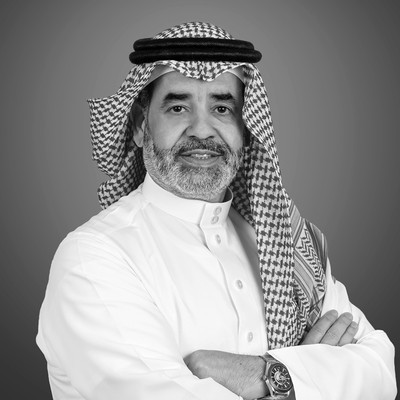
Dr. Faisal Mohammed Alfaqeer
Chief Executive Officer

Khalid Hashim Al-Dabbagh
Chairman

Salah Al-Hareky
Executive Vice President, Corporate Finance
Location & contact
Evaluating suppliers like these?
LightSource gives procurement teams verified supplier intelligence and AI-run sourcing events.