Video
DPW Amsterdam 2025 | Podcast with Klara, Natalie & Spencer
34 minutes
Description
Enterprise innovation isn’t broken because of a lack of technology. It’s broken because of incentives, politics, and the sheer friction of large organizations. These conversations pull back the curtain on why CEOs fear for the future while startups struggle to get traction inside the very companies that need them most.
Spencer Penn and Natalie Mano break down the real mechanics behind enterprise buying, from the hidden power of internal champions to the risk and cost of pilots that go nowhere. They expose why innovation teams matter, why budget ownership decides everything, and why most pilots fail long before the technology does.
The takeaway is blunt. Startups don’t win by chasing logos or building custom demos. They win by solving painful problems, standardizing how value is delivered, and aligning with the incentives that actually drive enterprise behavior. Innovation doesn’t need more hype. It needs accountability.
Speakers
Spencer Penn
CEO & Co Founder
Key moments
The viability gap: Overcoming the enterprise innovation barrier
Klara Körber lays out the enterprise innovation gap, where leaders know change is urgent but action lags badly. She presses Spencer Penn on why massive companies struggle to work with startups despite the risk of standing still.
The incentive engine: Why mandates matter for innovation
Spencer Penn explains that enterprise innovation only works when teams are empowered and incentives are aligned. Without competitive pressure, big companies rarely take real bets on startups.
Navigating the buying council: The politics of enterprise sourcing
Buying decisions in enterprises aren’t decisions, they’re negotiations. Spencer breaks down how politics, history, and conflicting priorities stall even the best technology.
The ROI imperative: PepsiCo’s two-stage innovation strategy
Natalie Mano makes it clear that startups don’t earn curiosity, they earn meetings by solving real problems with provable ROI. Getting in the door is hard, but launching a pilot is even harder.
The PepsiCo blueprint: How startups survive the first meeting
PepsiCo Labs starts with business needs, not shiny tech. Natalie outlines a disciplined path from first conversation to live pilot, driven by alignment and data.
The pilot trap: Why "free" is never actually free
Pilots sound promising but often drain teams and momentum. Spencer warns that without a real internal champion and a path to production, pilots can do more harm than good.
The commitment barrier: Why budget ownership is non-negotiable
Innovation dies without budget ownership. Natalie explains that pilots only succeed when someone inside the business is accountable and funded to carry it forward.
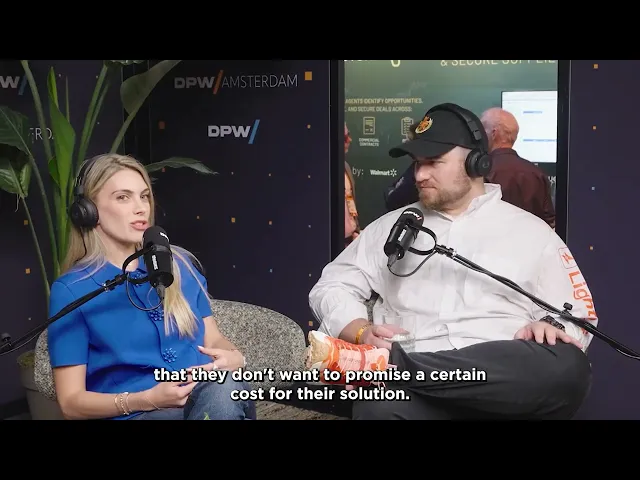
The ‘Land and Expand’ strategy: Selling into enterprise without an innovation team
Selling to “the enterprise” doesn’t work. Spencer advises founders to target specific divisions, solve urgent problems, and use that foothold to reach leadership.
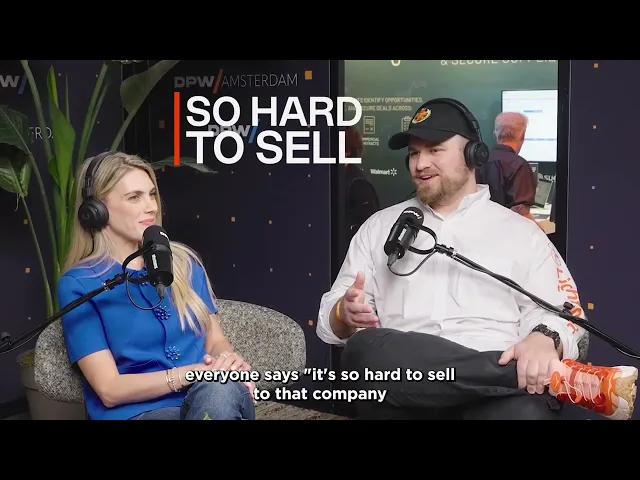
Think of the pilot as a product: Stop bespoke chaos
Spencer shares a hard-earned lesson: pilots should be products, not custom science projects. Bespoke work kills scale and makes success impossible to repeat.
Fairytale Land: Fixing innovation through personal incentives
Enterprises don’t fail to innovate because of ideas, they fail because of incentives. Spencer argues innovation won’t work until it’s someone’s actual job to make it happen.
See this sourcing workflow in practice.
LightSource is the AI-native sourcing platform for direct materials. See it on your own parts and suppliers.