
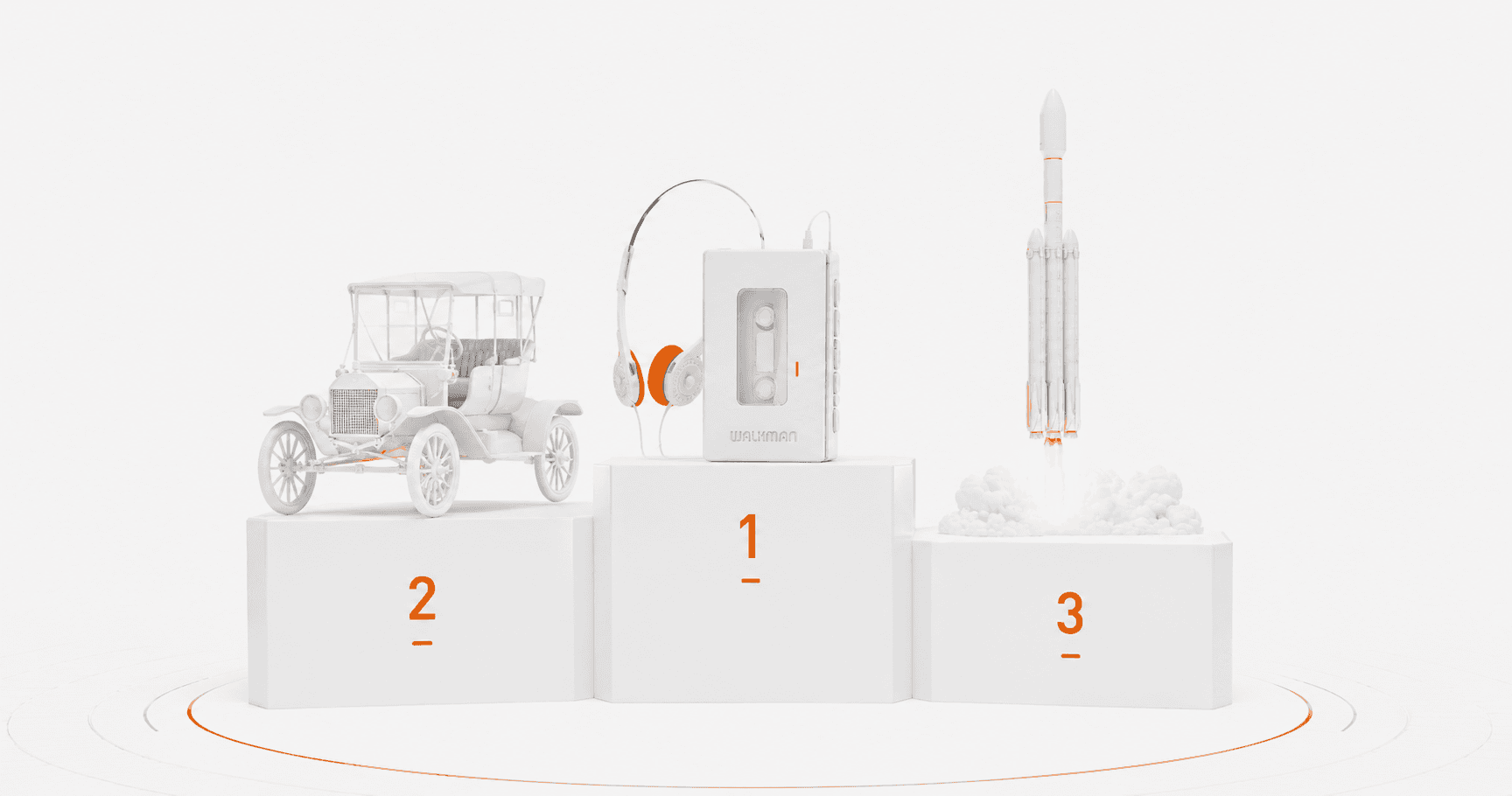
New Product Introduction is the unsexy discipline that decides whether a great idea becomes a great company. Most product histories celebrate the spec sheet. The harder story is the one underneath it -- the supplier qualifications, the tooling decisions, the ramp curves, the moments where a program either finds its rhythm or quietly dies in a pilot line.
What follows is our list of the ten greatest NPI projects of all time. Not the ten best products. The ten programs where the introduction itself -- the way the thing got from drawing to scale -- was the achievement. We weighted three things: impact on the world the program was launched into, the velocity of the introduction relative to the era, and what the program teaches anyone running a hardware program today.
These are listed chronologically. Rankings get harder the longer the list, and the through-line matters more than the order.
1. Ford Model T and the Highland Park Moving Line (1908-1913)
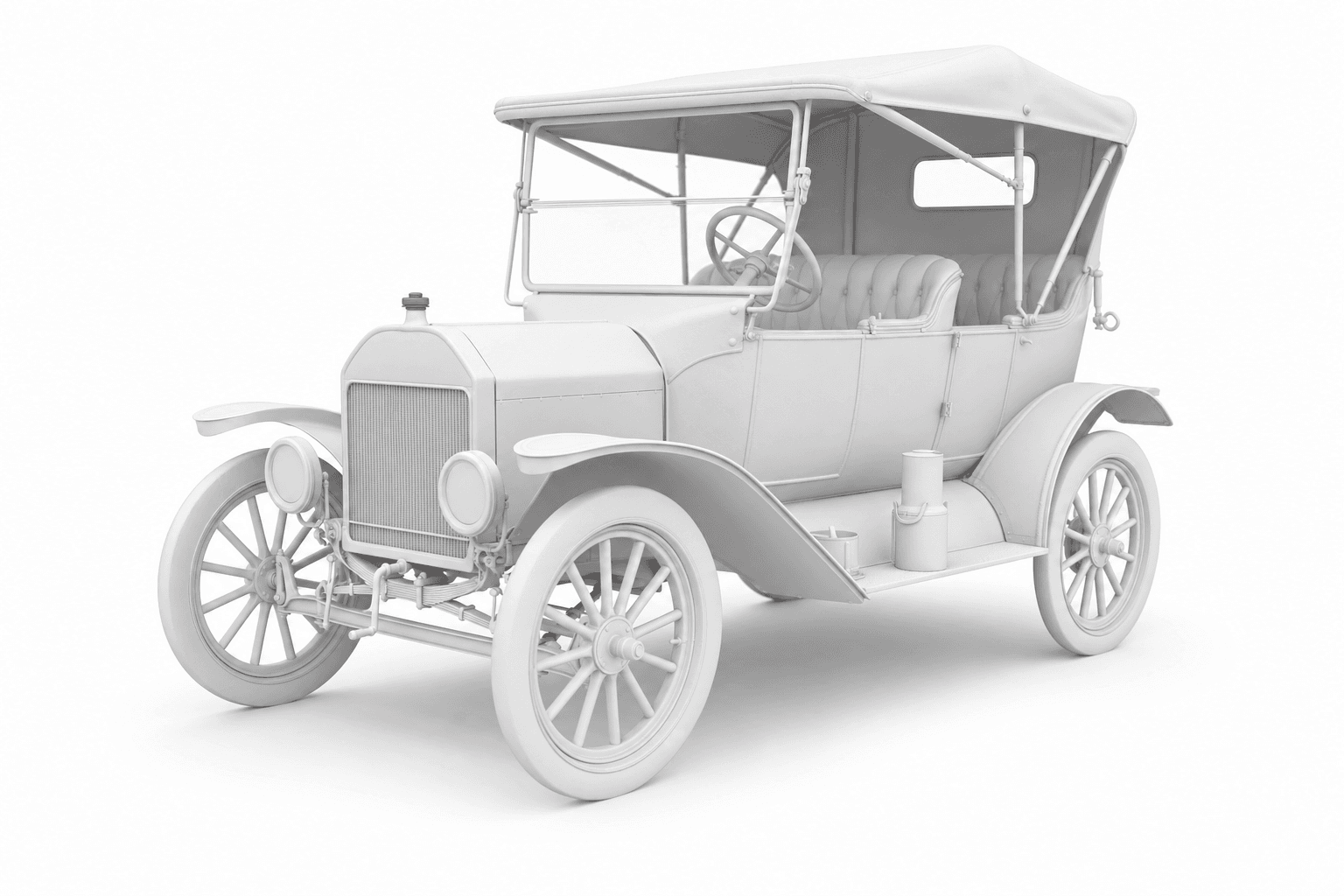
The Model T launched in 1908 at $850. It finished its run in 1927 below $300, an inflation-adjusted collapse driven entirely by manufacturing innovation. The 1913 moving assembly line at Highland Park cut Model T chassis assembly from over twelve hours to roughly ninety minutes. Ford doubled wages to $5 a day in 1914, which is usually told as a labor story but was actually a retention story -- the line was so demanding that turnover had hit 370 percent.
The Model T is the original NPI playbook. Henry Ford's team showed that the introduction phase doesn't end at start of production. The most important learning curve happens after the first car ships, and the company that bends cost down fastest wins the decade. Every modern automaker, every consumer electronics company, every program that has ever celebrated a "ramp" is descended from what happened in Highland Park between 1908 and 1913.
What made it successful: a willingness to redesign the factory around the product, repeatedly, even after it was already running. What we can learn: NPI doesn't end at SOP. The first car off the line is the start of the program, not the finish.
2. The Bell Labs Transistor (1947-1954)
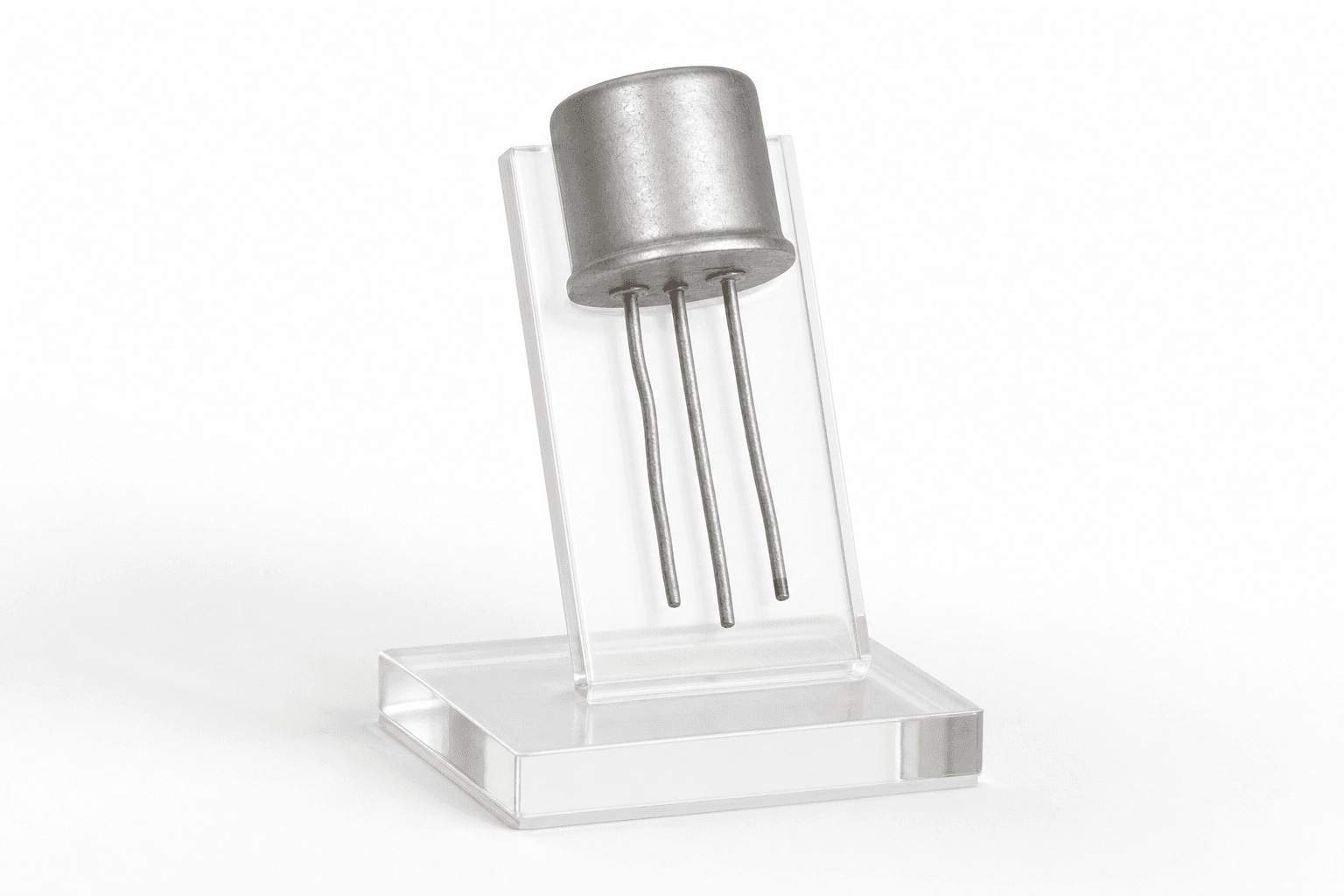
Bardeen, Brattain, and Shockley demonstrated the point-contact transistor at Bell Labs in December 1947. That gets the Nobel Prize headline. The harder work was the next seven years, during which Western Electric productionized the device into something that could be manufactured at consumer scale. Morgan Sparks built the first grown-junction transistor in 1950. The first commercial silicon transistor shipped in 1954, and Texas Instruments licensed the technology and built the first transistor radio that same year.
Without the transistor productionization, nothing else on this list happens. No iPhone, no Falcon 9, no Model 3, no TSMC, no Kindle. The lab demo to manufacturable device journey is one of the most consequential NPI programs in human history, and almost nobody can name the people who ran it.
What made it successful: Bell Labs treated manufacturability as part of the invention, not as a separate problem to hand off. What we can learn: the prize goes to the team that productionizes, not the team that prototypes.
3. Lockheed SR-71 Blackbird (1962-1966)
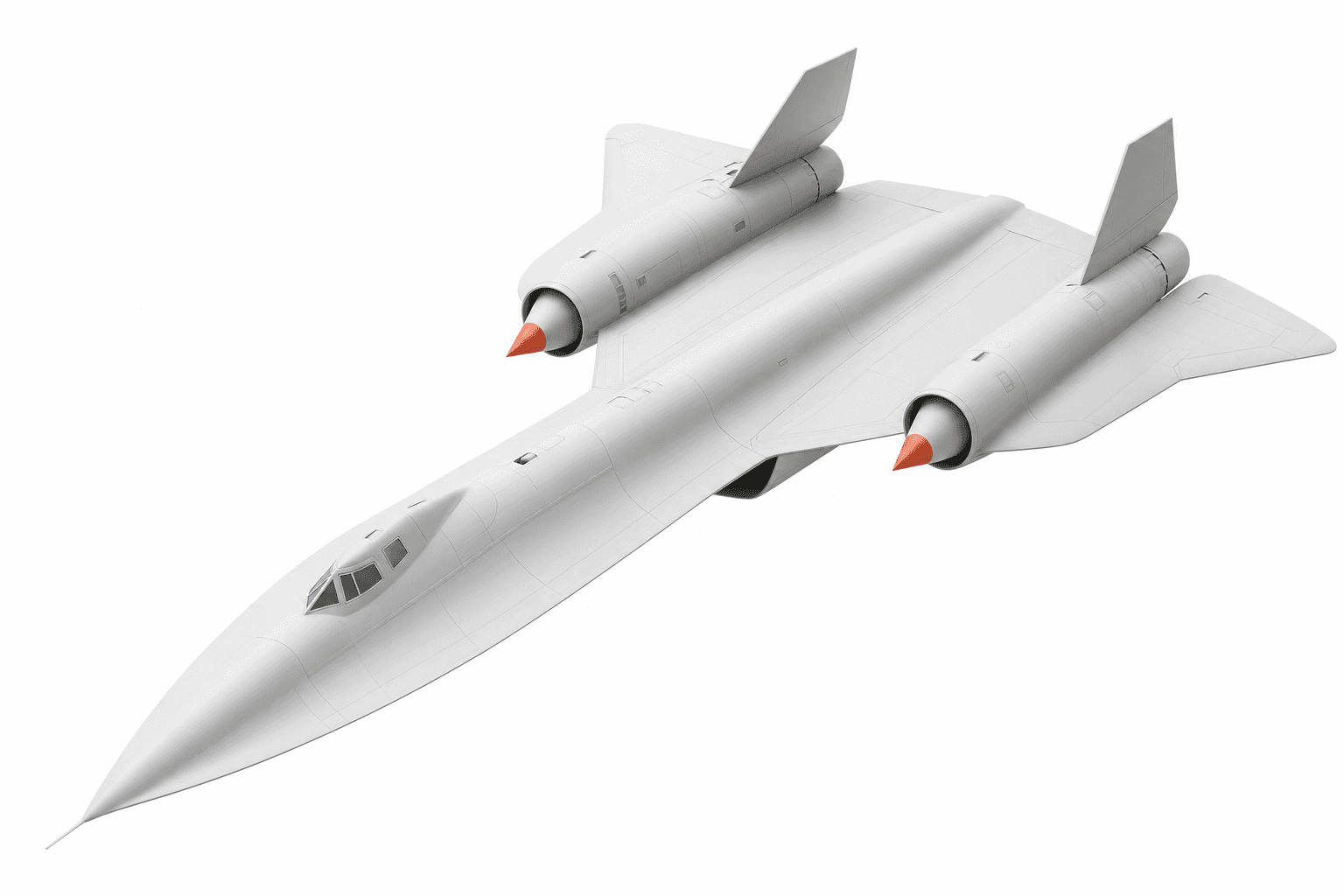
Kelly Johnson's Skunk Works delivered an aircraft that flew Mach 3.2 at 85,000 feet using titanium sourced -- famously -- through CIA shell companies from the Soviet Union, because the Soviet bloc held most of the world's high-grade titanium reserves. The program developed new fuels, new sealants, new tire compounds, new manufacturing techniques for titanium machining, and new supplier relationships across hundreds of vendors who had no idea what they were building.
What makes the SR-71 a top NPI program isn't the speed records. It's that Skunk Works productionized a vehicle made of materials nobody at scale knew how to work with, on a black-budget timeline, and the 32 airframes they built flew for 34 years without a single loss to enemy action. The program is a master class in vertical integration where the supply chain doesn't exist yet.
What made it successful: a small team with operating authority, a willingness to invent the supply chain, and an obsessive culture of materials science. What we can learn: when the merchant market can't deliver, building the supplier is part of building the product.
4. Sony Walkman TPS-L2 (1979)
Sony shipped the first Walkman roughly four months after Akio Morita pushed the program into existence. The team repurposed an existing Pressman recorder chassis, cut the recording function, and added stereo playback and lightweight headphones. No market research said this would work. The team had to invent the consumer headphone supply chain, because prior headphones were studio gear, not retail products. Sony's first run was 30,000 units. Skeptical retailers wouldn't stock it. Within two years, the Walkman was the defining consumer electronics product on earth.
The lesson is harder than it looks. The Walkman wasn't technically novel. It was an opinionated repackaging of existing components against a use case the market had no language for. Great NPI sometimes means having the conviction to ship hardware that contradicts every focus group.
What made it successful: a tight team, a brutal timeline, and an executive willing to overrule customer research. What we can learn: the right team will ship in months what a committee would still be debating in years.
5. Dyson DC01 (1978-1993)
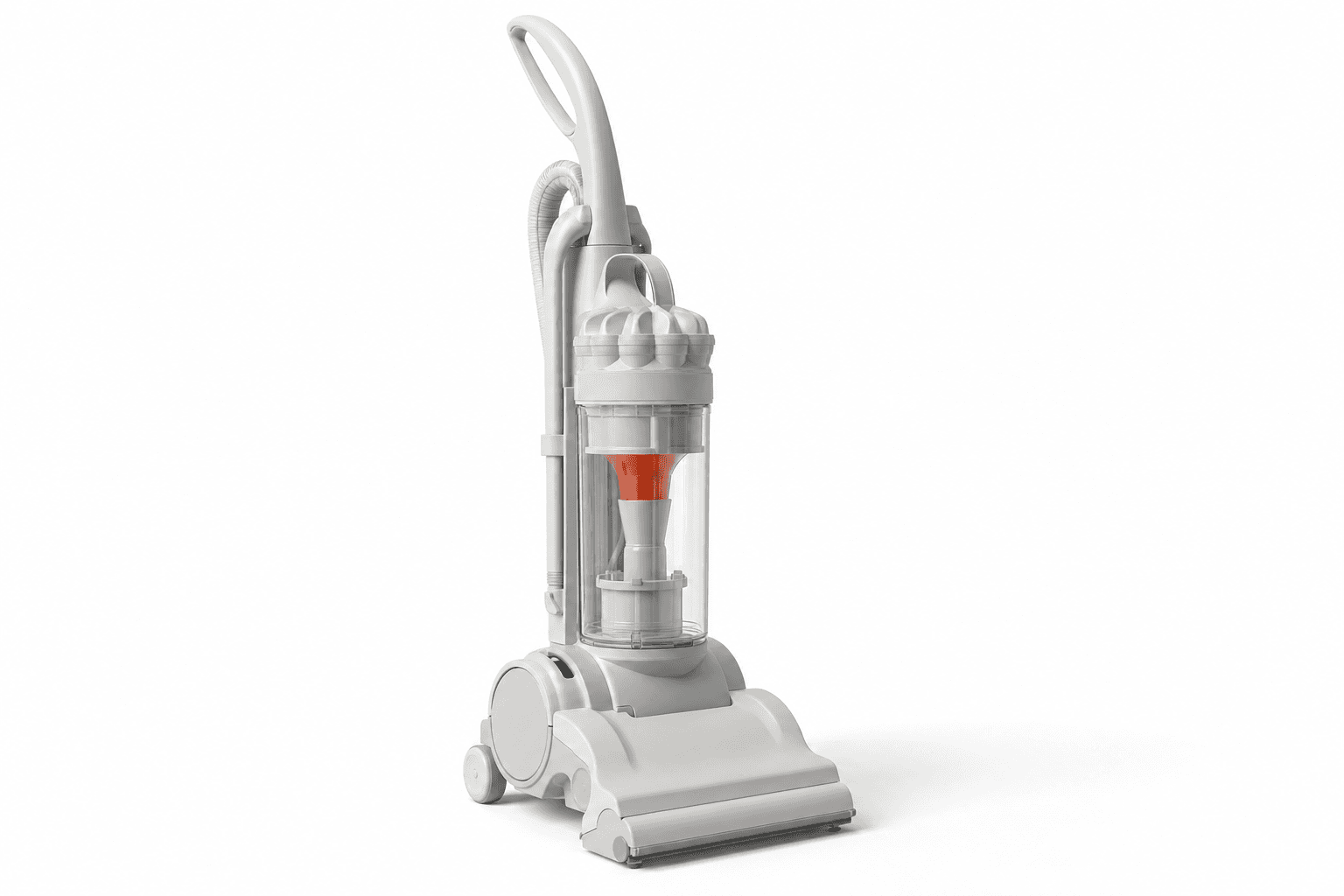
James Dyson built 5,127 prototypes of his cyclonic vacuum cleaner over fifteen years before the DC01 launched in 1993. The product itself is famous. The development methodology is the more important story. Dyson ran a one-prototype-change-at-a-time discipline, documented every iteration, and refused to bundle changes -- a practice that anyone running modern hardware iteration would recognize as test-driven development applied to physical products.
The DC01 became the best-selling vacuum cleaner in the UK within 22 months of launch, in a market where the incumbent (Hoover) had been dominant for fifty years. Dyson sued Hoover successfully for patent infringement after Hoover launched a copycat. The company is now a multi-billion-dollar global manufacturer with operations across motors, batteries, filtration, and personal care.
What made it successful: relentless prototype velocity and rigorous one-variable iteration. What we can learn: the team that prototypes fastest learns fastest, and the team that learns fastest wins.
6. Apple iPhone (2004-2007)
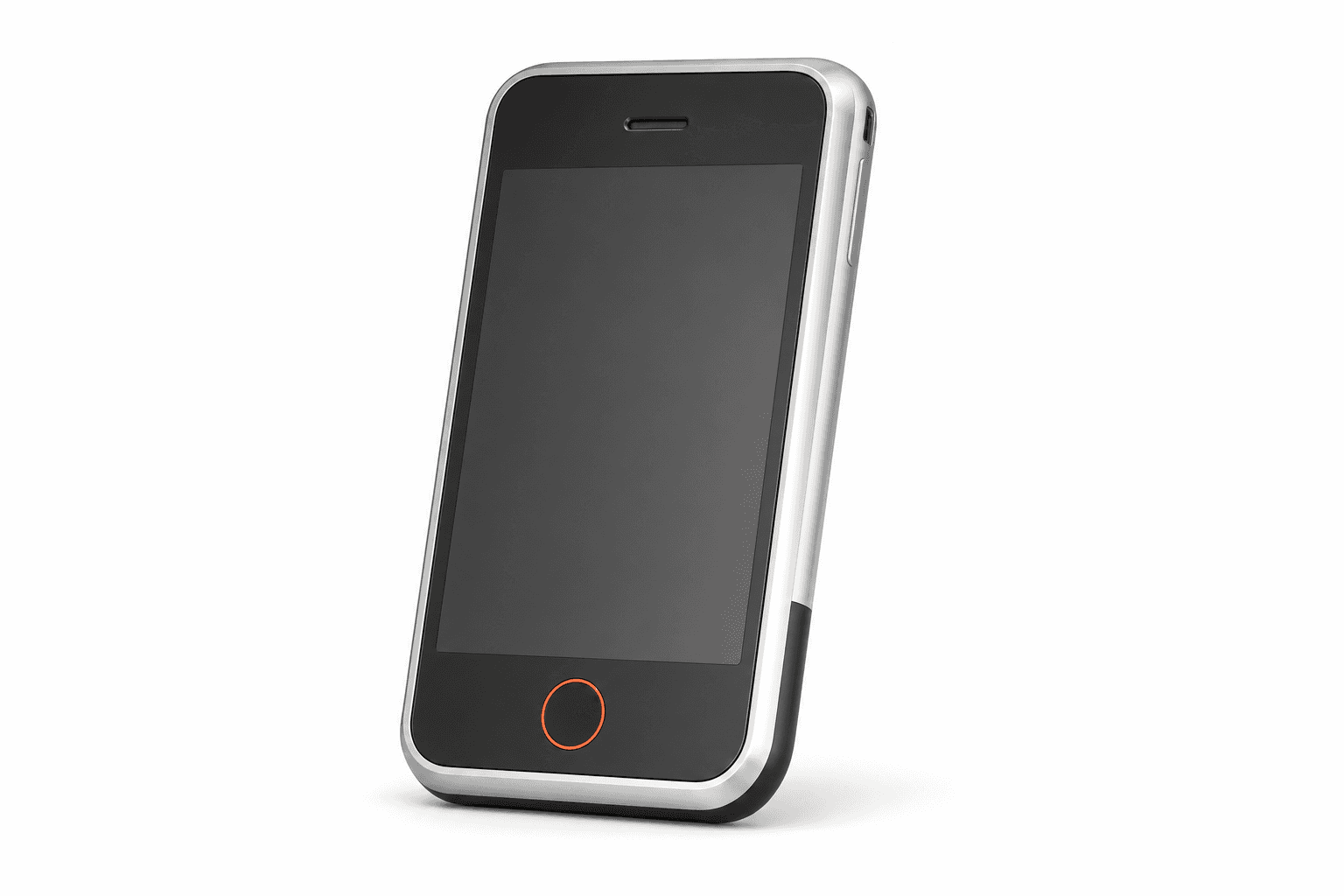
The iPhone is on every greatest-products list. It belongs on this one for a different reason. Apple shipped a capacitive multi-touch device at consumer volume in roughly 30 months from kickoff, with a custom glass supply chain (Corning Gorilla Glass was developed and re-introduced for this program), a brand-new touch sensor stack, and a vertically managed contract manufacturing relationship at Foxconn that became the template for the modern consumer electronics supply chain.
The miracle wasn't the product. The miracle was that Apple ramped a device with this many novel components without a quality disaster. Every smartphone supply chain in the world is downstream of decisions Tony Fadell, Jony Ive, and the operations team made in 2006 and 2007.
What made it successful: an integrated hardware-software-supply-chain organization, with operations treated as equal in status to design. What we can learn: in a complex multi-supplier program, the company that owns the supply chain integration owns the margin.
7. Amazon Kindle (2004-2007)
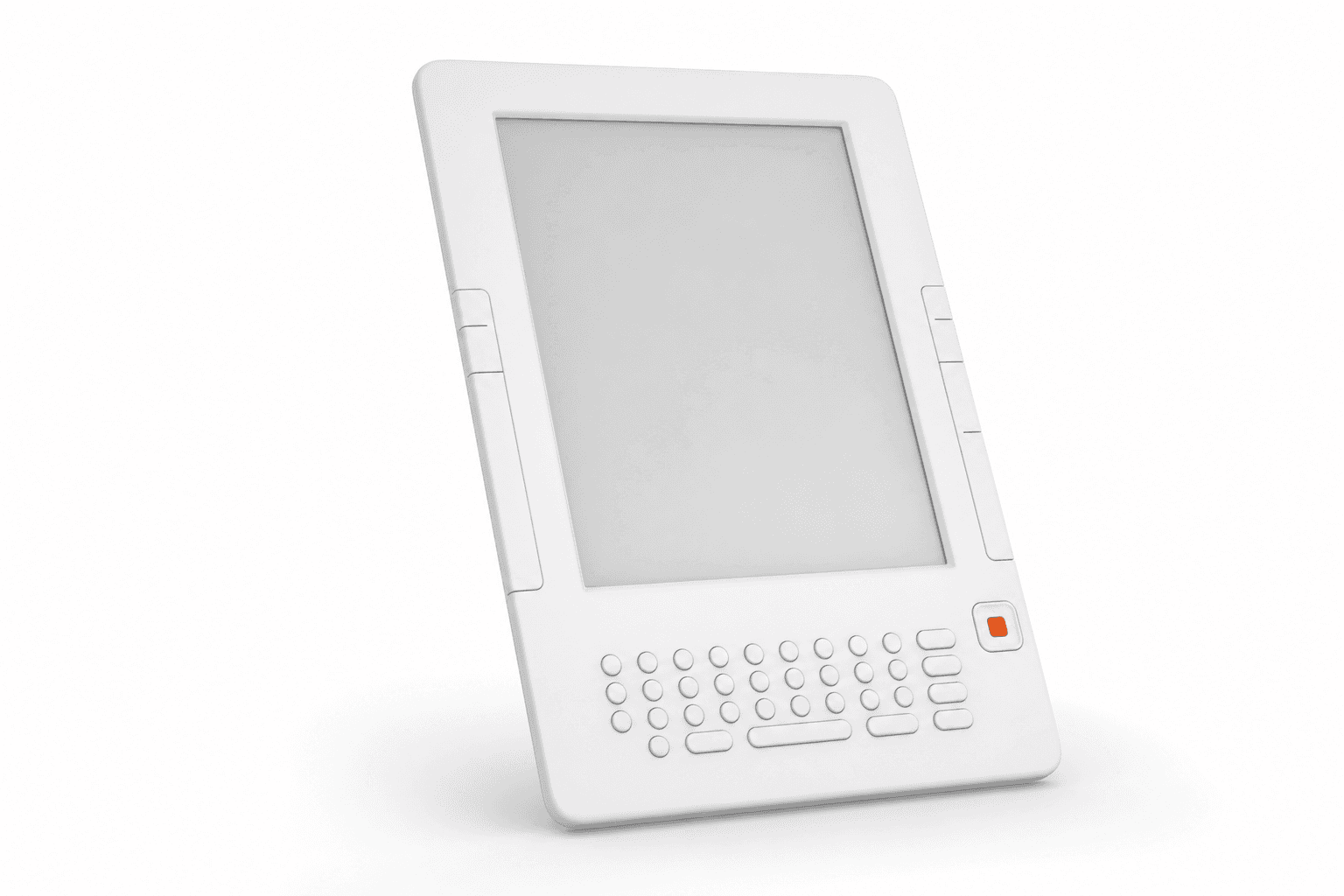
Amazon stood up Lab126 in Cupertino in 2004 with a small team and shipped the first Kindle in November 2007. The first run sold out in 5.5 hours. The harder accomplishment, and the one that doesn't get enough credit, is that Amazon productionized E Ink at consumer scale (E Ink Corporation had been struggling commercially), built a custom 3G distribution model with Sprint that let users download books without a computer or wifi, and ran the device at break-even or below to seed the content business.
The Kindle is the cleanest example on this list of NPI as a strategic weapon. Amazon didn't need the device business to be profitable. They needed the device to exist so the books business could become a platform. The hardware was a means to a software end, productionized with the discipline of a hardware company.
What made it successful: a small team, a clear strategic mandate, and a willingness to under-price the hardware to capture the platform. What we can learn: NPI velocity is sometimes a function of how clearly the executive sponsor has defined what the program is actually for.
8. SpaceX Falcon 9 and the Merlin Engine Family (2005-2015)
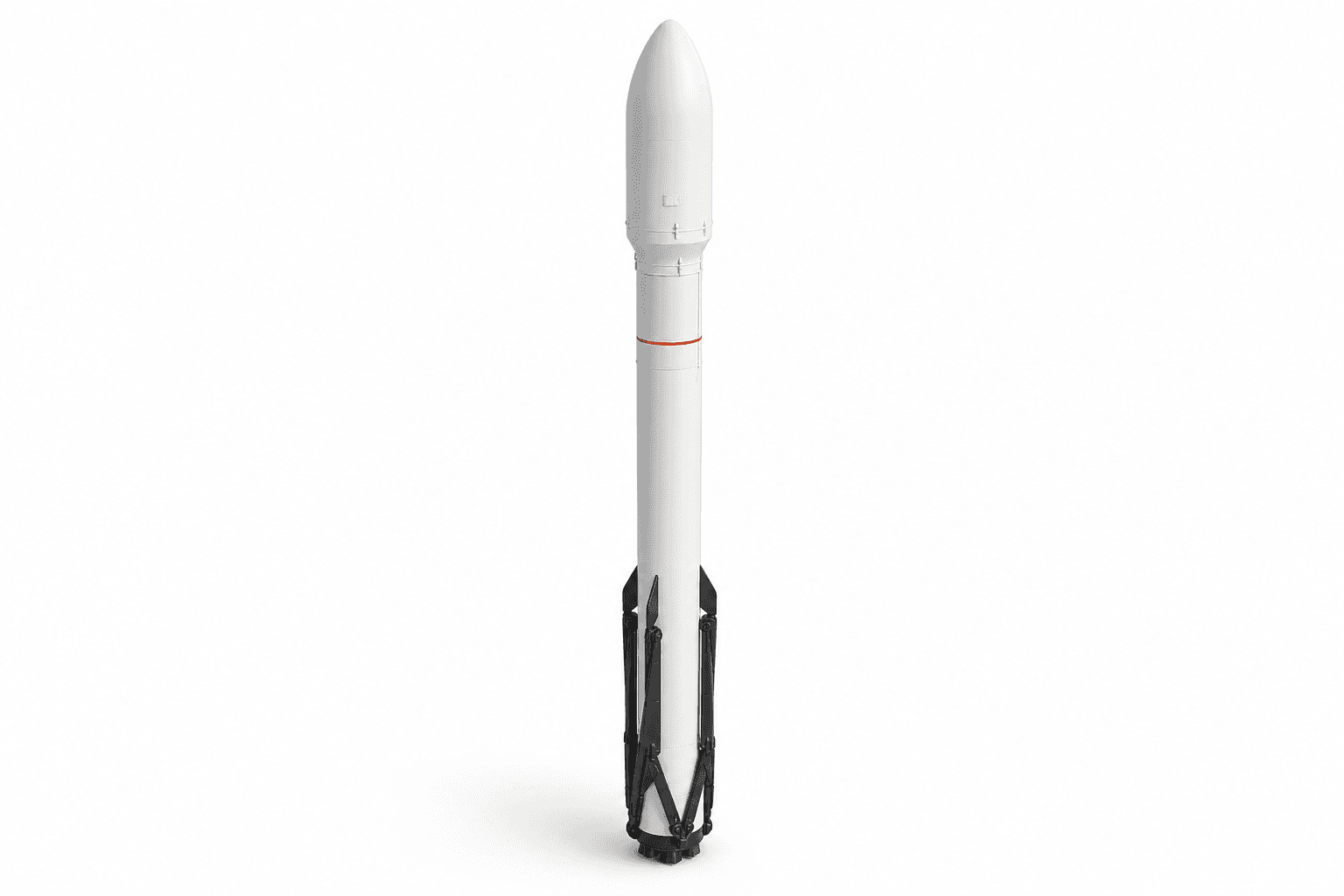
SpaceX did something the aerospace industry had stopped believing was possible: brought rocket engine and vehicle development in-house, ran a tight internal manufacturing loop, and iterated the Merlin engine across roughly a dozen versions while the Falcon 9 was flying paying customers. The first successful booster landing in December 2015 was the visible milestone. The invisible one was a vertically integrated factory in Hawthorne stamping out Merlins faster than Russia, China, or ULA could build their primary engines.
The Falcon 9 program rewrote the cost structure of orbital launch. Cost per kilogram to low Earth orbit dropped by roughly an order of magnitude during the program's first decade, and the reusable booster turned an industry that had treated rockets as expendable munitions into one that treats them as reusable industrial equipment.
What made it successful: vertical integration, fast iteration on flying hardware, and a refusal to accept the incumbent supply chain as fixed. What we can learn: when the incumbents have outsourced the hard parts, insourcing them is the moat.
9. Tesla Model 3 (2016-2018)
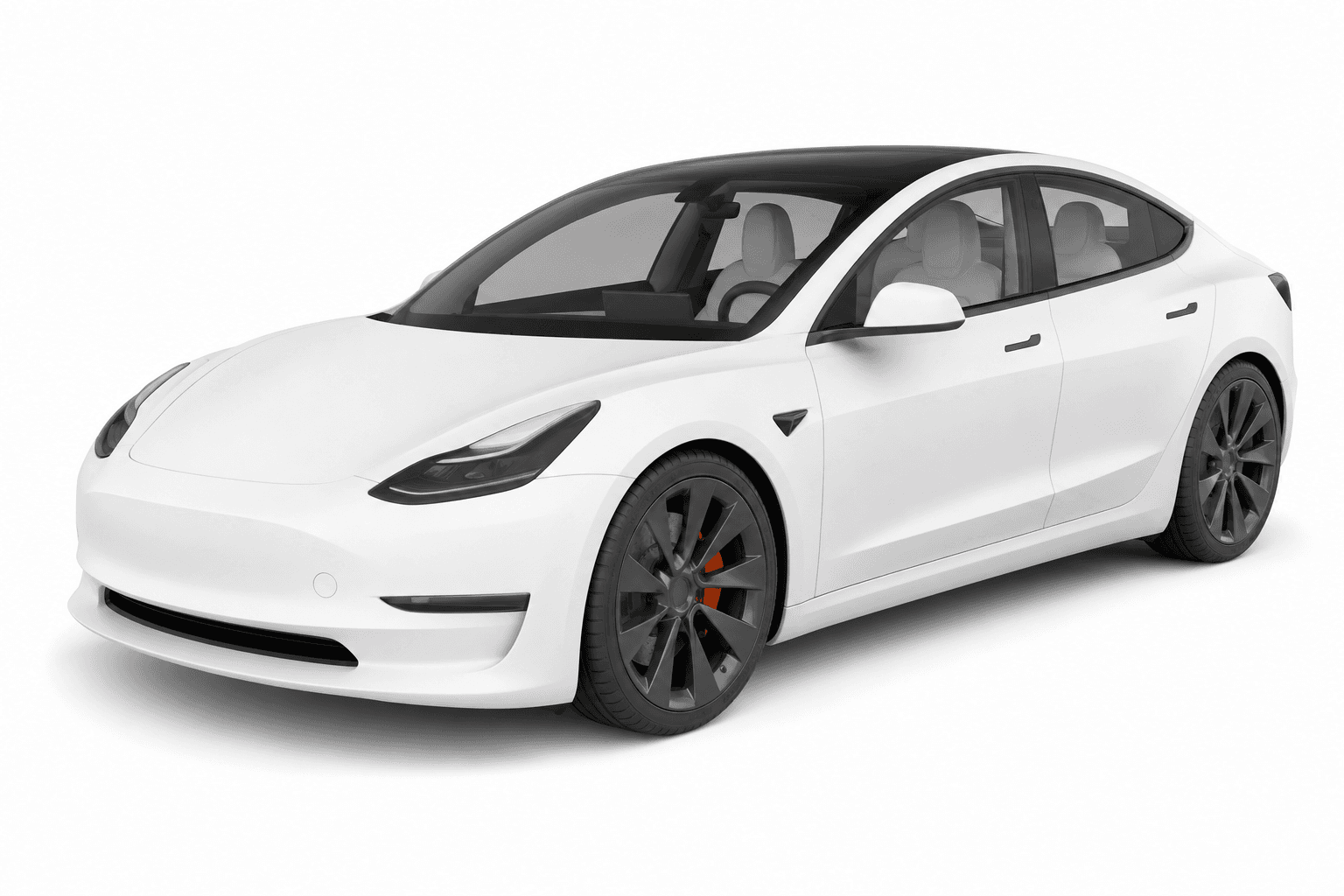
The Model 3 was not the first electric car, not the first Tesla, and not the cheapest EV. What made it the most consequential vehicle NPI program of the modern era is that it was the first vehicle program in history to attempt simultaneous insourcing of cell production, pack production, motor production, vehicle assembly, software, charging infrastructure, and direct-to-consumer sales -- on a vehicle targeted at 5,000 units per week, on a timeline that required the General Assembly line to be productionized faster than any competitor had ever attempted.
LightSource's CEO and co-founder Spencer Penn led parts of this program at Tesla, and our perspective on the program is informed by that experience. Production hell was real. The "tent" -- General Assembly line 4 in a fabric structure outside the Fremont factory -- became a meme, but it was actually a textbook example of an NPI team breaking constraints by refusing to accept the existing factory's geometry as fixed. The program produced more than a million vehicles, drove down battery cost per kWh by roughly half during its ramp, and forced every major automaker on earth to restructure their EV programs.
Every legacy OEM EV program launched after 2018 is, in some way, a response to what the Model 3 program proved was possible. That is the definition of a generational NPI.
What made it successful: vertical integration across an absurd surface area, a willingness to break with manufacturing orthodoxy, and a program leader with the operating authority to make decisions in hours that legacy OEMs took months to make. What we can learn: when the existing system is the constraint, the existing system is part of the program.
10. TSMC 7nm and 5nm Process Nodes (2015-2020)
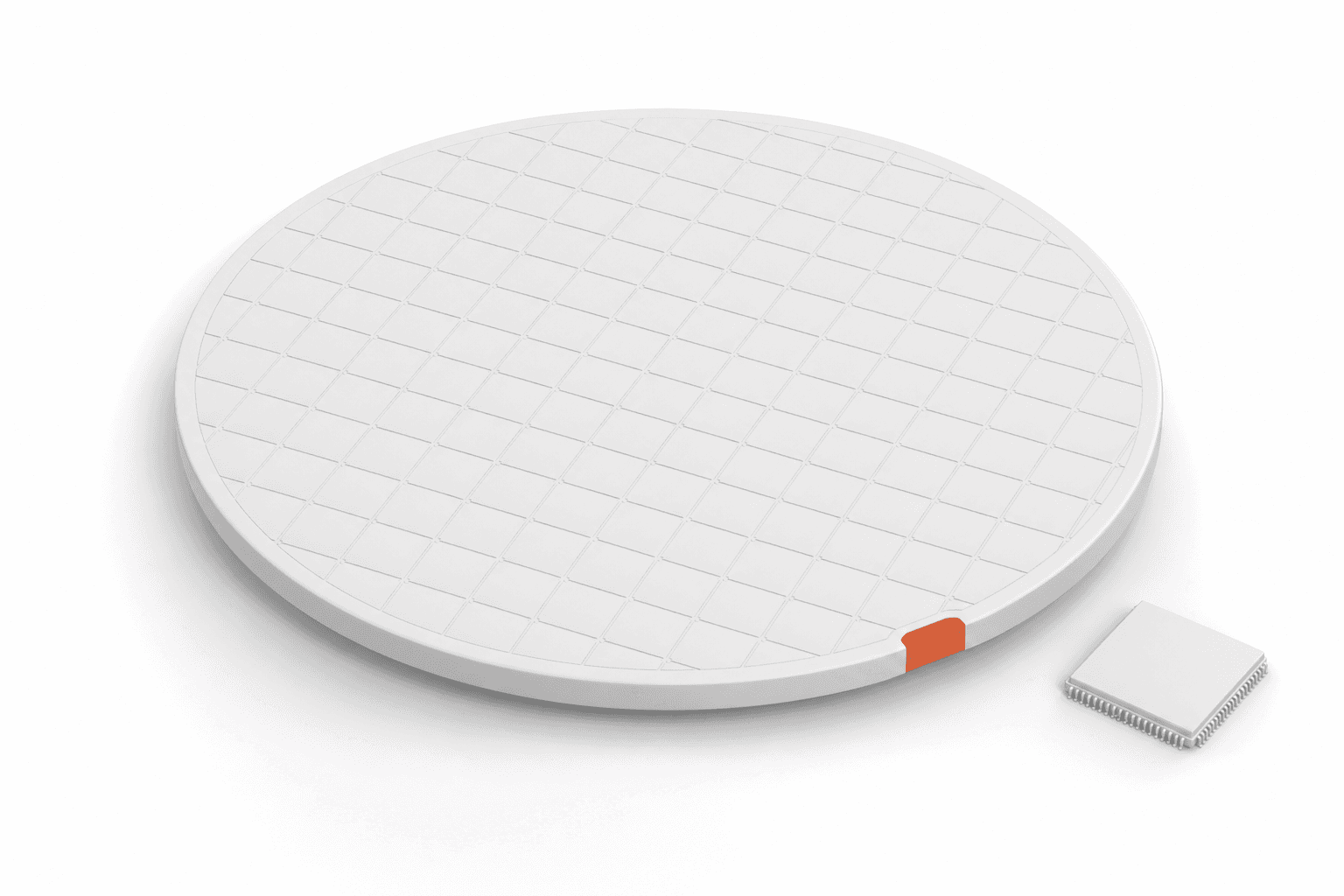
The most important NPI program of the last decade, and the one most people outside the semiconductor industry can't name. TSMC took 7nm into high-volume manufacturing in 2018 and 5nm in 2020, with EUV lithography that ASML had spent two decades and roughly $9 billion developing. The yield curves on these nodes are the reason the iPhone, Nvidia's data center GPUs, AMD's server CPUs, and most of modern AI exist in their current form.
What makes this great NPI is the coordination problem. TSMC had to ramp a process that depends on a single-source EUV supplier, photoresist chemistry from a handful of Japanese vendors, and customer designs that were being finalized in parallel with the process itself. The execution discipline required to hit yield on a node this complex, on schedule, with this many dependencies, is the high-water mark of modern manufacturing.
What made it successful: a multi-decade investment in process discipline, a customer-aligned roadmap, and the institutional patience to let foundational capabilities mature. What we can learn: the most important NPI programs are sometimes invisible to the end consumer, because they show up as a node number on a spec sheet.
Honorable mention: Pfizer/BioNTech COVID-19 Vaccine (2020)
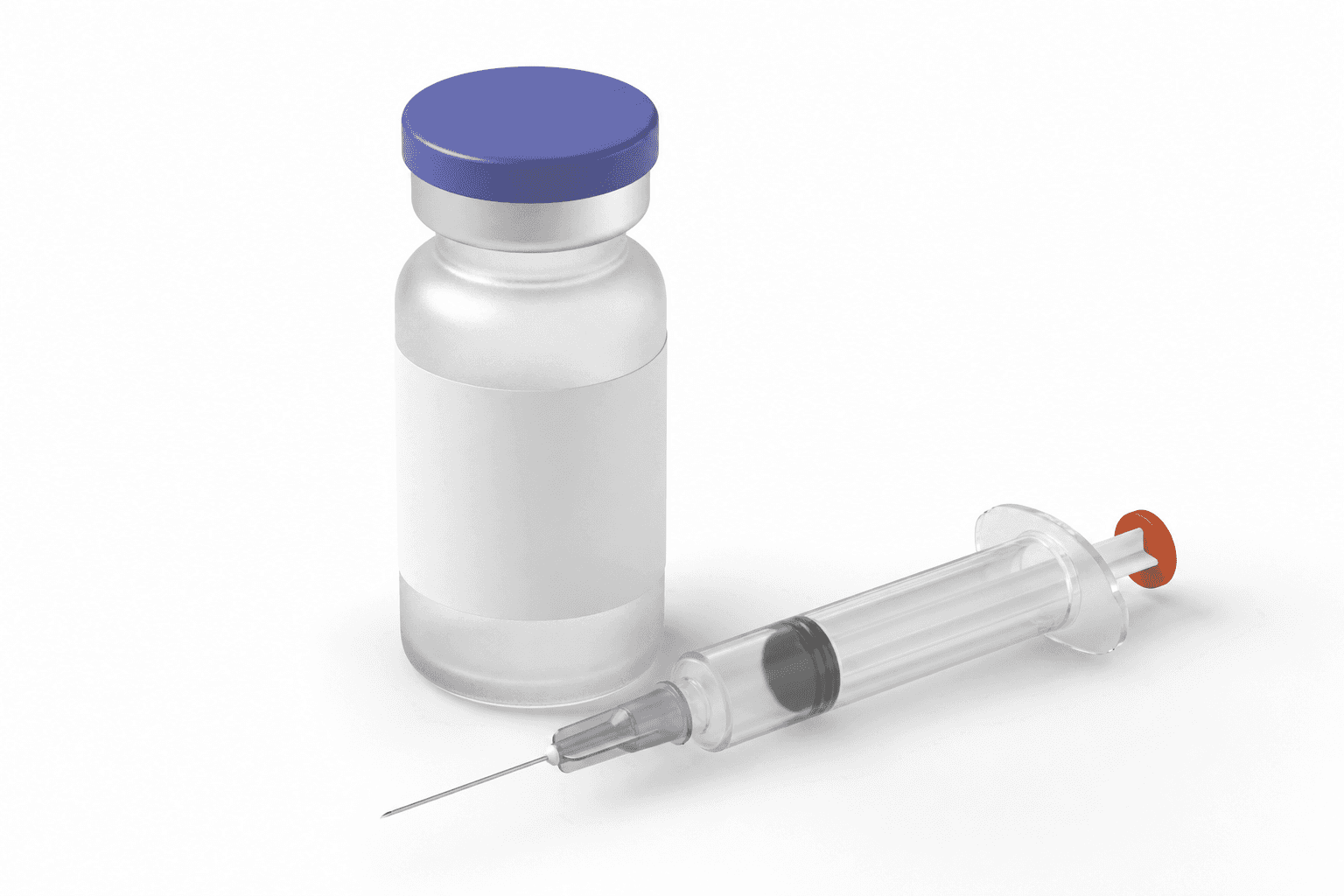
Worth naming separately because it didn't fit the chronological frame neatly and because the timeline is genuinely without precedent. Pfizer and BioNTech went from genome sequence published in January 2020 to first authorized doses in December 2020. Eleven months. The program required productionizing mRNA at billion-dose scale, building cold chain capacity that didn't exist in January 2020, and standing up a fill-finish operation that Pfizer rebuilt from internal manufacturing assets in roughly six months.
The vaccine program is the clearest demonstration in the modern era that biotech can match the velocity of a wartime industrial program when the pressure is high enough and the executive sponsor has cleared the regulatory and supply chain barriers in advance.
What These Programs Have in Common
Five things show up in every entry on this list, and they are worth naming.
First, vertical integration where the supply chain didn't exist. Every program here either built suppliers from scratch or pulled critical processes in-house when the merchant market couldn't deliver. The transistor, the SR-71, the iPhone, the Falcon 9, and the Model 3 all share this DNA.
Second, factory-as-product. Highland Park, Hawthorne, Fremont, Hsinchu. The building and the line are part of the design.
Third, prototype velocity over prototype perfection. Dyson built 5,127 vacuum cleaners. Bell Labs ran thousands of materials experiments. SpaceX flew Merlin variants while paying customers were on the manifest. The team that iterates fastest learns fastest.
Fourth, a willingness to lose money on the first generation to capture the learning curve. The Kindle, the Model T at scale, and arguably the iPhone all under-priced early units to seed the platform.
Fifth, and most underrated, a program leader with operating authority. Henry Ford. Kelly Johnson. Akio Morita. James Dyson. Steve Jobs. Jeff Bezos. Elon Musk. Morris Chang. NPI by committee doesn't ship. The programs that change industries are the ones where one person can make a hard call before lunch and have the line moving by dinner.
If you are running a hardware program right now and you want to know whether you are on track, those five are a more honest checklist than any Gantt chart.
New Product Introduction is the unsexy discipline that decides whether a great idea becomes a great company. Most product histories celebrate the spec sheet. The harder story is the one underneath it -- the supplier qualifications, the tooling decisions, the ramp curves, the moments where a program either finds its rhythm or quietly dies in a pilot line.
What follows is our list of the ten greatest NPI projects of all time. Not the ten best products. The ten programs where the introduction itself -- the way the thing got from drawing to scale -- was the achievement. We weighted three things: impact on the world the program was launched into, the velocity of the introduction relative to the era, and what the program teaches anyone running a hardware program today.
These are listed chronologically. Rankings get harder the longer the list, and the through-line matters more than the order.
1. Ford Model T and the Highland Park Moving Line (1908-1913)
The Model T launched in 1908 at $850. It finished its run in 1927 below $300, an inflation-adjusted collapse driven entirely by manufacturing innovation. The 1913 moving assembly line at Highland Park cut Model T chassis assembly from over twelve hours to roughly ninety minutes. Ford doubled wages to $5 a day in 1914, which is usually told as a labor story but was actually a retention story -- the line was so demanding that turnover had hit 370 percent.
The Model T is the original NPI playbook. Henry Ford's team showed that the introduction phase doesn't end at start of production. The most important learning curve happens after the first car ships, and the company that bends cost down fastest wins the decade. Every modern automaker, every consumer electronics company, every program that has ever celebrated a "ramp" is descended from what happened in Highland Park between 1908 and 1913.
What made it successful: a willingness to redesign the factory around the product, repeatedly, even after it was already running. What we can learn: NPI doesn't end at SOP. The first car off the line is the start of the program, not the finish.
2. The Bell Labs Transistor (1947-1954)
Bardeen, Brattain, and Shockley demonstrated the point-contact transistor at Bell Labs in December 1947. That gets the Nobel Prize headline. The harder work was the next seven years, during which Western Electric productionized the device into something that could be manufactured at consumer scale. Morgan Sparks built the first grown-junction transistor in 1950. The first commercial silicon transistor shipped in 1954, and Texas Instruments licensed the technology and built the first transistor radio that same year.
Without the transistor productionization, nothing else on this list happens. No iPhone, no Falcon 9, no Model 3, no TSMC, no Kindle. The lab demo to manufacturable device journey is one of the most consequential NPI programs in human history, and almost nobody can name the people who ran it.
What made it successful: Bell Labs treated manufacturability as part of the invention, not as a separate problem to hand off. What we can learn: the prize goes to the team that productionizes, not the team that prototypes.
3. Lockheed SR-71 Blackbird (1962-1966)
Kelly Johnson's Skunk Works delivered an aircraft that flew Mach 3.2 at 85,000 feet using titanium sourced -- famously -- through CIA shell companies from the Soviet Union, because the Soviet bloc held most of the world's high-grade titanium reserves. The program developed new fuels, new sealants, new tire compounds, new manufacturing techniques for titanium machining, and new supplier relationships across hundreds of vendors who had no idea what they were building.
What makes the SR-71 a top NPI program isn't the speed records. It's that Skunk Works productionized a vehicle made of materials nobody at scale knew how to work with, on a black-budget timeline, and the 32 airframes they built flew for 34 years without a single loss to enemy action. The program is a master class in vertical integration where the supply chain doesn't exist yet.
What made it successful: a small team with operating authority, a willingness to invent the supply chain, and an obsessive culture of materials science. What we can learn: when the merchant market can't deliver, building the supplier is part of building the product.
4. Sony Walkman TPS-L2 (1979)
Sony shipped the first Walkman roughly four months after Akio Morita pushed the program into existence. The team repurposed an existing Pressman recorder chassis, cut the recording function, and added stereo playback and lightweight headphones. No market research said this would work. The team had to invent the consumer headphone supply chain, because prior headphones were studio gear, not retail products. Sony's first run was 30,000 units. Skeptical retailers wouldn't stock it. Within two years, the Walkman was the defining consumer electronics product on earth.
The lesson is harder than it looks. The Walkman wasn't technically novel. It was an opinionated repackaging of existing components against a use case the market had no language for. Great NPI sometimes means having the conviction to ship hardware that contradicts every focus group.
What made it successful: a tight team, a brutal timeline, and an executive willing to overrule customer research. What we can learn: the right team will ship in months what a committee would still be debating in years.
5. Dyson DC01 (1978-1993)
James Dyson built 5,127 prototypes of his cyclonic vacuum cleaner over fifteen years before the DC01 launched in 1993. The product itself is famous. The development methodology is the more important story. Dyson ran a one-prototype-change-at-a-time discipline, documented every iteration, and refused to bundle changes -- a practice that anyone running modern hardware iteration would recognize as test-driven development applied to physical products.
The DC01 became the best-selling vacuum cleaner in the UK within 22 months of launch, in a market where the incumbent (Hoover) had been dominant for fifty years. Dyson sued Hoover successfully for patent infringement after Hoover launched a copycat. The company is now a multi-billion-dollar global manufacturer with operations across motors, batteries, filtration, and personal care.
What made it successful: relentless prototype velocity and rigorous one-variable iteration. What we can learn: the team that prototypes fastest learns fastest, and the team that learns fastest wins.
6. Apple iPhone (2004-2007)
The iPhone is on every greatest-products list. It belongs on this one for a different reason. Apple shipped a capacitive multi-touch device at consumer volume in roughly 30 months from kickoff, with a custom glass supply chain (Corning Gorilla Glass was developed and re-introduced for this program), a brand-new touch sensor stack, and a vertically managed contract manufacturing relationship at Foxconn that became the template for the modern consumer electronics supply chain.
The miracle wasn't the product. The miracle was that Apple ramped a device with this many novel components without a quality disaster. Every smartphone supply chain in the world is downstream of decisions Tony Fadell, Jony Ive, and the operations team made in 2006 and 2007.
What made it successful: an integrated hardware-software-supply-chain organization, with operations treated as equal in status to design. What we can learn: in a complex multi-supplier program, the company that owns the supply chain integration owns the margin.
7. Amazon Kindle (2004-2007)
Amazon stood up Lab126 in Cupertino in 2004 with a small team and shipped the first Kindle in November 2007. The first run sold out in 5.5 hours. The harder accomplishment, and the one that doesn't get enough credit, is that Amazon productionized E Ink at consumer scale (E Ink Corporation had been struggling commercially), built a custom 3G distribution model with Sprint that let users download books without a computer or wifi, and ran the device at break-even or below to seed the content business.
The Kindle is the cleanest example on this list of NPI as a strategic weapon. Amazon didn't need the device business to be profitable. They needed the device to exist so the books business could become a platform. The hardware was a means to a software end, productionized with the discipline of a hardware company.
What made it successful: a small team, a clear strategic mandate, and a willingness to under-price the hardware to capture the platform. What we can learn: NPI velocity is sometimes a function of how clearly the executive sponsor has defined what the program is actually for.
8. SpaceX Falcon 9 and the Merlin Engine Family (2005-2015)
SpaceX did something the aerospace industry had stopped believing was possible: brought rocket engine and vehicle development in-house, ran a tight internal manufacturing loop, and iterated the Merlin engine across roughly a dozen versions while the Falcon 9 was flying paying customers. The first successful booster landing in December 2015 was the visible milestone. The invisible one was a vertically integrated factory in Hawthorne stamping out Merlins faster than Russia, China, or ULA could build their primary engines.
The Falcon 9 program rewrote the cost structure of orbital launch. Cost per kilogram to low Earth orbit dropped by roughly an order of magnitude during the program's first decade, and the reusable booster turned an industry that had treated rockets as expendable munitions into one that treats them as reusable industrial equipment.
What made it successful: vertical integration, fast iteration on flying hardware, and a refusal to accept the incumbent supply chain as fixed. What we can learn: when the incumbents have outsourced the hard parts, insourcing them is the moat.
9. Tesla Model 3 (2016-2018)
The Model 3 was not the first electric car, not the first Tesla, and not the cheapest EV. What made it the most consequential vehicle NPI program of the modern era is that it was the first vehicle program in history to attempt simultaneous insourcing of cell production, pack production, motor production, vehicle assembly, software, charging infrastructure, and direct-to-consumer sales -- on a vehicle targeted at 5,000 units per week, on a timeline that required the General Assembly line to be productionized faster than any competitor had ever attempted.
LightSource's CEO and co-founder Spencer Penn led parts of this program at Tesla, and our perspective on the program is informed by that experience. Production hell was real. The "tent" -- General Assembly line 4 in a fabric structure outside the Fremont factory -- became a meme, but it was actually a textbook example of an NPI team breaking constraints by refusing to accept the existing factory's geometry as fixed. The program produced more than a million vehicles, drove down battery cost per kWh by roughly half during its ramp, and forced every major automaker on earth to restructure their EV programs.
Every legacy OEM EV program launched after 2018 is, in some way, a response to what the Model 3 program proved was possible. That is the definition of a generational NPI.
What made it successful: vertical integration across an absurd surface area, a willingness to break with manufacturing orthodoxy, and a program leader with the operating authority to make decisions in hours that legacy OEMs took months to make. What we can learn: when the existing system is the constraint, the existing system is part of the program.
10. TSMC 7nm and 5nm Process Nodes (2015-2020)
The most important NPI program of the last decade, and the one most people outside the semiconductor industry can't name. TSMC took 7nm into high-volume manufacturing in 2018 and 5nm in 2020, with EUV lithography that ASML had spent two decades and roughly $9 billion developing. The yield curves on these nodes are the reason the iPhone, Nvidia's data center GPUs, AMD's server CPUs, and most of modern AI exist in their current form.
What makes this great NPI is the coordination problem. TSMC had to ramp a process that depends on a single-source EUV supplier, photoresist chemistry from a handful of Japanese vendors, and customer designs that were being finalized in parallel with the process itself. The execution discipline required to hit yield on a node this complex, on schedule, with this many dependencies, is the high-water mark of modern manufacturing.
What made it successful: a multi-decade investment in process discipline, a customer-aligned roadmap, and the institutional patience to let foundational capabilities mature. What we can learn: the most important NPI programs are sometimes invisible to the end consumer, because they show up as a node number on a spec sheet.
Honorable mention: Pfizer/BioNTech COVID-19 Vaccine (2020)
Worth naming separately because it didn't fit the chronological frame neatly and because the timeline is genuinely without precedent. Pfizer and BioNTech went from genome sequence published in January 2020 to first authorized doses in December 2020. Eleven months. The program required productionizing mRNA at billion-dose scale, building cold chain capacity that didn't exist in January 2020, and standing up a fill-finish operation that Pfizer rebuilt from internal manufacturing assets in roughly six months.
The vaccine program is the clearest demonstration in the modern era that biotech can match the velocity of a wartime industrial program when the pressure is high enough and the executive sponsor has cleared the regulatory and supply chain barriers in advance.
What These Programs Have in Common
Five things show up in every entry on this list, and they are worth naming.
First, vertical integration where the supply chain didn't exist. Every program here either built suppliers from scratch or pulled critical processes in-house when the merchant market couldn't deliver. The transistor, the SR-71, the iPhone, the Falcon 9, and the Model 3 all share this DNA.
Second, factory-as-product. Highland Park, Hawthorne, Fremont, Hsinchu. The building and the line are part of the design.
Third, prototype velocity over prototype perfection. Dyson built 5,127 vacuum cleaners. Bell Labs ran thousands of materials experiments. SpaceX flew Merlin variants while paying customers were on the manifest. The team that iterates fastest learns fastest.
Fourth, a willingness to lose money on the first generation to capture the learning curve. The Kindle, the Model T at scale, and arguably the iPhone all under-priced early units to seed the platform.
Fifth, and most underrated, a program leader with operating authority. Henry Ford. Kelly Johnson. Akio Morita. James Dyson. Steve Jobs. Jeff Bezos. Elon Musk. Morris Chang. NPI by committee doesn't ship. The programs that change industries are the ones where one person can make a hard call before lunch and have the line moving by dinner.
If you are running a hardware program right now and you want to know whether you are on track, those five are a more honest checklist than any Gantt chart.
New Product Introduction is the unsexy discipline that decides whether a great idea becomes a great company. Most product histories celebrate the spec sheet. The harder story is the one underneath it -- the supplier qualifications, the tooling decisions, the ramp curves, the moments where a program either finds its rhythm or quietly dies in a pilot line.
What follows is our list of the ten greatest NPI projects of all time. Not the ten best products. The ten programs where the introduction itself -- the way the thing got from drawing to scale -- was the achievement. We weighted three things: impact on the world the program was launched into, the velocity of the introduction relative to the era, and what the program teaches anyone running a hardware program today.
These are listed chronologically. Rankings get harder the longer the list, and the through-line matters more than the order.
1. Ford Model T and the Highland Park Moving Line (1908-1913)
The Model T launched in 1908 at $850. It finished its run in 1927 below $300, an inflation-adjusted collapse driven entirely by manufacturing innovation. The 1913 moving assembly line at Highland Park cut Model T chassis assembly from over twelve hours to roughly ninety minutes. Ford doubled wages to $5 a day in 1914, which is usually told as a labor story but was actually a retention story -- the line was so demanding that turnover had hit 370 percent.
The Model T is the original NPI playbook. Henry Ford's team showed that the introduction phase doesn't end at start of production. The most important learning curve happens after the first car ships, and the company that bends cost down fastest wins the decade. Every modern automaker, every consumer electronics company, every program that has ever celebrated a "ramp" is descended from what happened in Highland Park between 1908 and 1913.
What made it successful: a willingness to redesign the factory around the product, repeatedly, even after it was already running. What we can learn: NPI doesn't end at SOP. The first car off the line is the start of the program, not the finish.
2. The Bell Labs Transistor (1947-1954)
Bardeen, Brattain, and Shockley demonstrated the point-contact transistor at Bell Labs in December 1947. That gets the Nobel Prize headline. The harder work was the next seven years, during which Western Electric productionized the device into something that could be manufactured at consumer scale. Morgan Sparks built the first grown-junction transistor in 1950. The first commercial silicon transistor shipped in 1954, and Texas Instruments licensed the technology and built the first transistor radio that same year.
Without the transistor productionization, nothing else on this list happens. No iPhone, no Falcon 9, no Model 3, no TSMC, no Kindle. The lab demo to manufacturable device journey is one of the most consequential NPI programs in human history, and almost nobody can name the people who ran it.
What made it successful: Bell Labs treated manufacturability as part of the invention, not as a separate problem to hand off. What we can learn: the prize goes to the team that productionizes, not the team that prototypes.
3. Lockheed SR-71 Blackbird (1962-1966)
Kelly Johnson's Skunk Works delivered an aircraft that flew Mach 3.2 at 85,000 feet using titanium sourced -- famously -- through CIA shell companies from the Soviet Union, because the Soviet bloc held most of the world's high-grade titanium reserves. The program developed new fuels, new sealants, new tire compounds, new manufacturing techniques for titanium machining, and new supplier relationships across hundreds of vendors who had no idea what they were building.
What makes the SR-71 a top NPI program isn't the speed records. It's that Skunk Works productionized a vehicle made of materials nobody at scale knew how to work with, on a black-budget timeline, and the 32 airframes they built flew for 34 years without a single loss to enemy action. The program is a master class in vertical integration where the supply chain doesn't exist yet.
What made it successful: a small team with operating authority, a willingness to invent the supply chain, and an obsessive culture of materials science. What we can learn: when the merchant market can't deliver, building the supplier is part of building the product.
4. Sony Walkman TPS-L2 (1979)
Sony shipped the first Walkman roughly four months after Akio Morita pushed the program into existence. The team repurposed an existing Pressman recorder chassis, cut the recording function, and added stereo playback and lightweight headphones. No market research said this would work. The team had to invent the consumer headphone supply chain, because prior headphones were studio gear, not retail products. Sony's first run was 30,000 units. Skeptical retailers wouldn't stock it. Within two years, the Walkman was the defining consumer electronics product on earth.
The lesson is harder than it looks. The Walkman wasn't technically novel. It was an opinionated repackaging of existing components against a use case the market had no language for. Great NPI sometimes means having the conviction to ship hardware that contradicts every focus group.
What made it successful: a tight team, a brutal timeline, and an executive willing to overrule customer research. What we can learn: the right team will ship in months what a committee would still be debating in years.
5. Dyson DC01 (1978-1993)
James Dyson built 5,127 prototypes of his cyclonic vacuum cleaner over fifteen years before the DC01 launched in 1993. The product itself is famous. The development methodology is the more important story. Dyson ran a one-prototype-change-at-a-time discipline, documented every iteration, and refused to bundle changes -- a practice that anyone running modern hardware iteration would recognize as test-driven development applied to physical products.
The DC01 became the best-selling vacuum cleaner in the UK within 22 months of launch, in a market where the incumbent (Hoover) had been dominant for fifty years. Dyson sued Hoover successfully for patent infringement after Hoover launched a copycat. The company is now a multi-billion-dollar global manufacturer with operations across motors, batteries, filtration, and personal care.
What made it successful: relentless prototype velocity and rigorous one-variable iteration. What we can learn: the team that prototypes fastest learns fastest, and the team that learns fastest wins.
6. Apple iPhone (2004-2007)
The iPhone is on every greatest-products list. It belongs on this one for a different reason. Apple shipped a capacitive multi-touch device at consumer volume in roughly 30 months from kickoff, with a custom glass supply chain (Corning Gorilla Glass was developed and re-introduced for this program), a brand-new touch sensor stack, and a vertically managed contract manufacturing relationship at Foxconn that became the template for the modern consumer electronics supply chain.
The miracle wasn't the product. The miracle was that Apple ramped a device with this many novel components without a quality disaster. Every smartphone supply chain in the world is downstream of decisions Tony Fadell, Jony Ive, and the operations team made in 2006 and 2007.
What made it successful: an integrated hardware-software-supply-chain organization, with operations treated as equal in status to design. What we can learn: in a complex multi-supplier program, the company that owns the supply chain integration owns the margin.
7. Amazon Kindle (2004-2007)
Amazon stood up Lab126 in Cupertino in 2004 with a small team and shipped the first Kindle in November 2007. The first run sold out in 5.5 hours. The harder accomplishment, and the one that doesn't get enough credit, is that Amazon productionized E Ink at consumer scale (E Ink Corporation had been struggling commercially), built a custom 3G distribution model with Sprint that let users download books without a computer or wifi, and ran the device at break-even or below to seed the content business.
The Kindle is the cleanest example on this list of NPI as a strategic weapon. Amazon didn't need the device business to be profitable. They needed the device to exist so the books business could become a platform. The hardware was a means to a software end, productionized with the discipline of a hardware company.
What made it successful: a small team, a clear strategic mandate, and a willingness to under-price the hardware to capture the platform. What we can learn: NPI velocity is sometimes a function of how clearly the executive sponsor has defined what the program is actually for.
8. SpaceX Falcon 9 and the Merlin Engine Family (2005-2015)
SpaceX did something the aerospace industry had stopped believing was possible: brought rocket engine and vehicle development in-house, ran a tight internal manufacturing loop, and iterated the Merlin engine across roughly a dozen versions while the Falcon 9 was flying paying customers. The first successful booster landing in December 2015 was the visible milestone. The invisible one was a vertically integrated factory in Hawthorne stamping out Merlins faster than Russia, China, or ULA could build their primary engines.
The Falcon 9 program rewrote the cost structure of orbital launch. Cost per kilogram to low Earth orbit dropped by roughly an order of magnitude during the program's first decade, and the reusable booster turned an industry that had treated rockets as expendable munitions into one that treats them as reusable industrial equipment.
What made it successful: vertical integration, fast iteration on flying hardware, and a refusal to accept the incumbent supply chain as fixed. What we can learn: when the incumbents have outsourced the hard parts, insourcing them is the moat.
9. Tesla Model 3 (2016-2018)
The Model 3 was not the first electric car, not the first Tesla, and not the cheapest EV. What made it the most consequential vehicle NPI program of the modern era is that it was the first vehicle program in history to attempt simultaneous insourcing of cell production, pack production, motor production, vehicle assembly, software, charging infrastructure, and direct-to-consumer sales -- on a vehicle targeted at 5,000 units per week, on a timeline that required the General Assembly line to be productionized faster than any competitor had ever attempted.
LightSource's CEO and co-founder Spencer Penn led parts of this program at Tesla, and our perspective on the program is informed by that experience. Production hell was real. The "tent" -- General Assembly line 4 in a fabric structure outside the Fremont factory -- became a meme, but it was actually a textbook example of an NPI team breaking constraints by refusing to accept the existing factory's geometry as fixed. The program produced more than a million vehicles, drove down battery cost per kWh by roughly half during its ramp, and forced every major automaker on earth to restructure their EV programs.
Every legacy OEM EV program launched after 2018 is, in some way, a response to what the Model 3 program proved was possible. That is the definition of a generational NPI.
What made it successful: vertical integration across an absurd surface area, a willingness to break with manufacturing orthodoxy, and a program leader with the operating authority to make decisions in hours that legacy OEMs took months to make. What we can learn: when the existing system is the constraint, the existing system is part of the program.
10. TSMC 7nm and 5nm Process Nodes (2015-2020)
The most important NPI program of the last decade, and the one most people outside the semiconductor industry can't name. TSMC took 7nm into high-volume manufacturing in 2018 and 5nm in 2020, with EUV lithography that ASML had spent two decades and roughly $9 billion developing. The yield curves on these nodes are the reason the iPhone, Nvidia's data center GPUs, AMD's server CPUs, and most of modern AI exist in their current form.
What makes this great NPI is the coordination problem. TSMC had to ramp a process that depends on a single-source EUV supplier, photoresist chemistry from a handful of Japanese vendors, and customer designs that were being finalized in parallel with the process itself. The execution discipline required to hit yield on a node this complex, on schedule, with this many dependencies, is the high-water mark of modern manufacturing.
What made it successful: a multi-decade investment in process discipline, a customer-aligned roadmap, and the institutional patience to let foundational capabilities mature. What we can learn: the most important NPI programs are sometimes invisible to the end consumer, because they show up as a node number on a spec sheet.
Honorable mention: Pfizer/BioNTech COVID-19 Vaccine (2020)
Worth naming separately because it didn't fit the chronological frame neatly and because the timeline is genuinely without precedent. Pfizer and BioNTech went from genome sequence published in January 2020 to first authorized doses in December 2020. Eleven months. The program required productionizing mRNA at billion-dose scale, building cold chain capacity that didn't exist in January 2020, and standing up a fill-finish operation that Pfizer rebuilt from internal manufacturing assets in roughly six months.
The vaccine program is the clearest demonstration in the modern era that biotech can match the velocity of a wartime industrial program when the pressure is high enough and the executive sponsor has cleared the regulatory and supply chain barriers in advance.
What These Programs Have in Common
Five things show up in every entry on this list, and they are worth naming.
First, vertical integration where the supply chain didn't exist. Every program here either built suppliers from scratch or pulled critical processes in-house when the merchant market couldn't deliver. The transistor, the SR-71, the iPhone, the Falcon 9, and the Model 3 all share this DNA.
Second, factory-as-product. Highland Park, Hawthorne, Fremont, Hsinchu. The building and the line are part of the design.
Third, prototype velocity over prototype perfection. Dyson built 5,127 vacuum cleaners. Bell Labs ran thousands of materials experiments. SpaceX flew Merlin variants while paying customers were on the manifest. The team that iterates fastest learns fastest.
Fourth, a willingness to lose money on the first generation to capture the learning curve. The Kindle, the Model T at scale, and arguably the iPhone all under-priced early units to seed the platform.
Fifth, and most underrated, a program leader with operating authority. Henry Ford. Kelly Johnson. Akio Morita. James Dyson. Steve Jobs. Jeff Bezos. Elon Musk. Morris Chang. NPI by committee doesn't ship. The programs that change industries are the ones where one person can make a hard call before lunch and have the line moving by dinner.
If you are running a hardware program right now and you want to know whether you are on track, those five are a more honest checklist than any Gantt chart.
Read more


Read more
Read more
Faster sourcing. Lower cost. Less chaos.
See how LightSource connects engineering, procurement, and suppliers in one operating system to help you launch faster at lower cost.
SOC 2
Kearney #1 2024
Gartner Cool Vendor
Procuretech 100
G2 Top Rated
Faster sourcing. Lower cost. Less chaos.
See how LightSource connects engineering, procurement, and suppliers in one operating system to help you launch faster at lower cost.
SOC 2
Kearney #1 2024
Gartner Cool Vendor
Procuretech 100
G2 Top Rated
Faster sourcing. Lower cost. Less chaos.
See how LightSource connects engineering, procurement, and suppliers in one operating system to help you launch faster at lower cost.
SOC 2
Kearney #1 2024
Gartner Cool Vendor
Procuretech 100
G2 Top Rated
Trusted by:
Trusted by:
Trusted by: